Investigating the Causes of Poor Airflow

White wall-mounted air vent with horizontal slats, representing Chad's HVAC solutions for efficient home comfort.

What’s Behind Poor Airflow in Your Home?

Proper airflow ensures comfort and efficiency in your home's heating, ventilation, and air conditioning (HVAC) system. When airflow is disrupted, various issues can result, including inconsistent temperatures, excessive humidity, and skyrocketing energy bills. These problems often arise gradually, making it easy for homeowners to overlook them until they cause significant discomfort.

This article discusses the most common causes of poor airflow, providing insights to identify potential issues. By understanding these factors, it will be easy to take proactive steps to address concerns before enlisting help from an HVAC professional. This knowledge enhances comfort and can help conserve energy.

Clogged or Dirty Air Filters

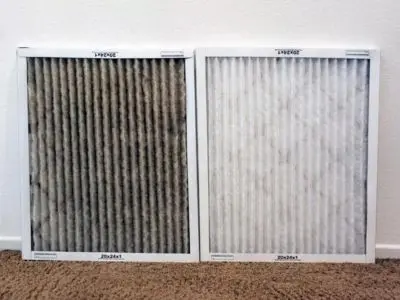
Clogged air filter showing accumulated dust and debris, impacting HVAC airflow and indoor air quality.HVAC systems are composed of various components, all of which play an important role in the entire household. One of the key components is the air filters. Some may think that it is just a small part of the system, but it actually does something to protect the family.

Basically, they are designed to protect the system’s internal components by trapping dust and debris and contributing to better indoor air quality. However, over time, as filters accumulate dust and particles, they can restrict airflow, causing the system to work harder and less efficiently. To continuously experience a comfortable living environment and ensure optimal airflow, it is important to periodically replace the air filters. This should generally be done every three months.

When the filter is clean, it effectively traps dust, allergens, and other particles, allowing the heating and cooling systems to operate efficiently and maintain good indoor air quality. Regular maintenance of air filters not only enhances airflow but also prolongs the life of HVAC equipment. However, this timeline may vary depending on factors such as:

  • Presence of pets that shed dander and fur.
  • Dusty environments near the home, such as construction or rural areas.
  • Allergy sufferers in the household require cleaner air circulation.
  • Poorly sealed homes that allow dust to enter more easily.
  • Inadequate cleaning practices lead to higher dust levels.

Damaged or Compromised Ductwork

Air ducts play a crucial role in the distribution of conditioned air throughout your home, ensuring that each room maintains a comfortable temperature. However, when ductwork becomes damaged or clogged with debris, it can result in restricted airflow, leading to uneven heating or cooling and impacting indoor air quality. Proper maintenance of these ducts is essential for optimal performance and comfort in your living space. Common issues with ductwork include:

  • Crushed or bent ducts: This often happens during renovations or when ductwork is in high-traffic areas like attics or basements.
  • Air leaks: Ducts can lose airflow through broken seals or disconnected sections, reducing the volume of air reaching the vents.
  • Obstructions: Accumulated debris, neglected air filters, or pests can block ducts, restricting airflow.

Regular checkups by HVAC professionals are crucial for maintaining your system's efficiency and identifying any ductwork problems before they worsen. This proactive approach helps ensure optimal performance and keeps everything running smoothly.

Dirty Coils or Low Refrigerant Levels
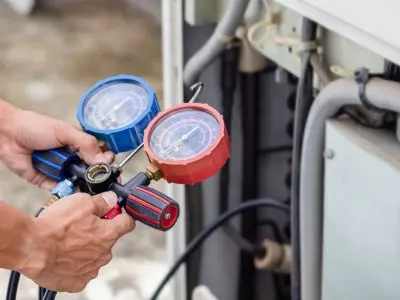
Technician using pressure gauges on an air conditioning unit to check refrigerant levels and diagnose airflow issues.The evaporator and condenser coils in your air conditioning system play a vital role in heat exchange. The evaporator coil pulls heat from the indoor air, while the condenser coil releases that heat outside. If these coils get covered in dirt and grime, they can't work efficiently, which leads to diminished airflow and cooling performance.

Additionally, low refrigerant levels can contribute to airflow problems. When there are leaks in the refrigerant lines, the evaporator coil can freeze up, which restricts air movement and results in less cool air flowing into your home.

Here are some tips to prevent these problems:

  • Replace air filters regularly to reduce dust buildup.
  • Schedule annual maintenance to clean coils and ensure refrigerant levels are adequate.

When there’s careful attention and inspection, an HVAC system will truly have a longer lifespan and can serve your family for years to come.

Maintaining Airflow With Professional Help

While certain airflow problems can often be fixed with straightforward maintenance tasks like replacing air filters, there are some issues that definitely call for the expertise of a professional. To keep your HVAC system running smoothly and efficiently, it’s essential to schedule regular tune-ups. These preventative services not only help maintain optimal performance but also reduce the likelihood of expensive repairs down the line. By prioritizing routine care, you can enjoy consistent comfort in every corner of your home, ensuring that your living space remains a pleasant retreat throughout the year.

About Chad’s AC Direct

Are you dealing with airflow issues in your home? Chad’s AC Direct is here to deliver excellent service to Montgomery, AL, homeowners. With a dedicated staff of experts who offer written estimates, personal attention, and cost-saving solutions, you can trust you’re getting the best quality service with zero surprises. Call today to schedule air conditioning and heating services to ensure your home is comfortable in any season.

Distribution Links +

Common Culprits of Airflow Problems

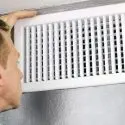
Person inspecting an air vent at home, showing the white slatted design, related to Chad's HVAC services for comfort.

What Causes Poor Airflow?

HVAC stands for “heating, ventilation, and air conditioning.” During the summer, most people are concerned with the “AC” part and tend to overlook the ventilation component. However, ventilation is critical to comfort inside the home all year long. When airflow is restricted, the HVAC system can’t properly ventilate the home. Hot and cold spots will form, humidity may climb, and the home generally becomes less comfortable. 

Homeowners can troubleshoot airflow problems on their own to determine whether they need a contractor’s help. Here are three common places to start looking to find the source of airflow problems:

Dirty Air Filters 

Dirty and clean air filters side by side, illustrating the importance of regular air filter changes for optimal HVAC performance and airflow.The best place to start looking for the source of airflow problems is at the most common cause. Time and time again, HVAC contractors are called in to address airflow issues only to find that the air filters are dirty and haven’t been changed. By simply replacing the air filter, homeowners can restore good airflow to their homes and enjoy better performance from their air conditioner. As a general rule, air filters should be changed every three months. If pets are present or the home is particularly dusty, more frequent filter changes may be required. 

Damaged Ductwork

Another major cause of airflow issues is with the ducts that carry air around the home. Over time, most ductwork will form one of these issues: 

  • Leaks: Each joint of air ducts should be completely sealed. When the duct tape or joint compound ages, it can allow air to escape, reducing the air volume reaching its destination. 
  • Obstructions: Obstructions come in the form of dust and debris inside the air duct. Debris usually enters ductwork through floor vents, while dust is allowed into air ducts by dirty air filters. 
  • Insulation: All ducts have insulation as a part of their makeup. When the insulation degrades or gets damaged, it can affect the temperature of the air and cause the perception of low airflow. 
  • Damage: Ductwork is fairly fragile because it isn’t intended to withstand outside forces. When people are working around ductwork, they can damage it by crimping it to restrict airflow. 
    Air duct repair can restore lost performance and allow air to flow freely around the home. 

Dirty AC Coils and Refrigerant Leaks

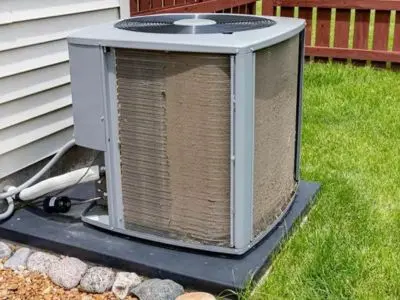
Dirty air conditioning unit with visible debris on coils, indicating potential low refrigerant and airflow issues, relevant to HVAC maintenance and repair.A qualified HVAC professional should verify the final causes of poor airflow, which the homeowner initially diagnosed. When airflow is restricted, air filters are clean, and ductwork is intact, the likely cause is a dirty evaporator coil. Evaporator coils get dirty when air filters aren’t changed for long periods. Cleaning the evaporator coil can restore airflow and performance to the unit. 

Similar to insulation damage, refrigerant leaks can cause perceived airflow to drop. While the same volume of air is still moving, refrigerant leaks inhibit the cooling of the air as it passes over the coil. Warm air is then delivered to the vents, making it seem like there is less airflow. 

About Chad's AC Direct

Chad's AC Direct excels at troubleshooting the causes of AC problems and airflow issues. They are experts in diagnosing the problem and giving upfront written estimates for transparency, listing all the needed parts to make sure it gets addressed. Call today for personalized AC repairs in Montgomery, AL.