Important Air Conditioner Replacement Basics to Know
Understanding the upgrade process is essential for maintaining consistent home comfort and optimizing the long-term cooling budget. By familiarizing themselves with the core elements of AC replacement, homeowners can make informed decisions about when to replace an air conditioner and which types of AC systems to consider, ensuring their new system operates efficiently for years to come.
Signs to Replace an Air Conditioner
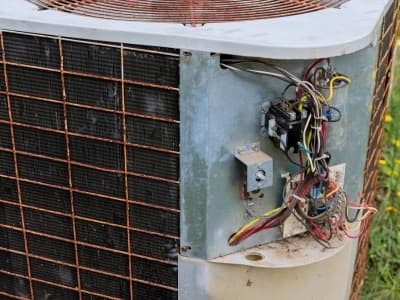
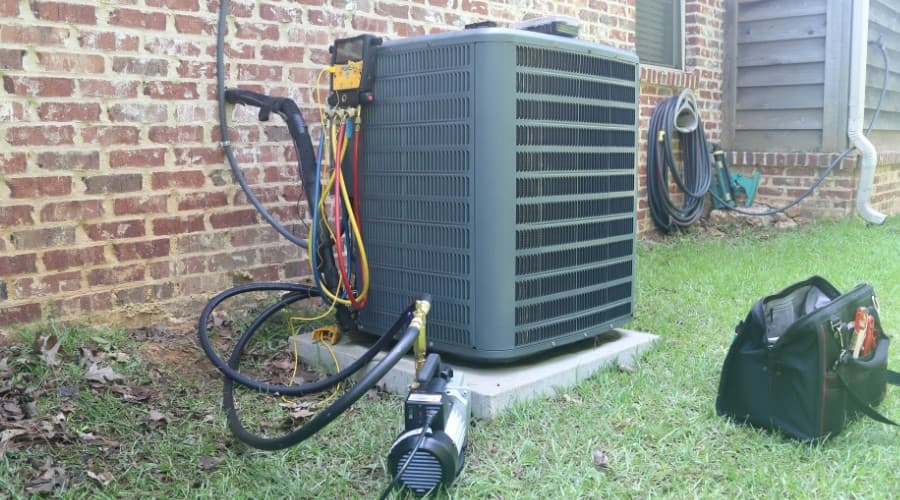
Recognizing the need for an air conditioner replacement early can prevent significant frustration. If a current unit is over 10 years old, it is likely reaching the end of its reliable lifespan. These aging machines often begin to lose effectiveness, resulting in inconsistent indoor temperatures. Additionally, if homeowners notice a sharp rise in energy bills, it is frequently a symptom of an inefficient unit struggling to keep up with cooling demands. When repair bills become a recurring expense, opting for a professional air conditioning replacement is often the more fiscally responsible path compared to endless maintenance. Put simply, frequent breakdowns are a clear signal that an AC replacement is necessary for continued peace of mind.
Advantages of Replacing an Old AC Unit
Investing in a fresh air conditioner installation offers both immediate and long-term benefits. Newer models are designed with superior energy efficiency, which directly lowers monthly utility costs. Beyond the financial impact, professional air conditioning installation provides enhanced comfort through quieter operation and more reliable performance. Furthermore, upgrading allows for system resizing; a modern AC installation ensures the cooling capacity is perfectly matched to the home's square footage and layout, eliminating the issues caused by units that are improperly sized for the space.
Choosing a Type of AC System
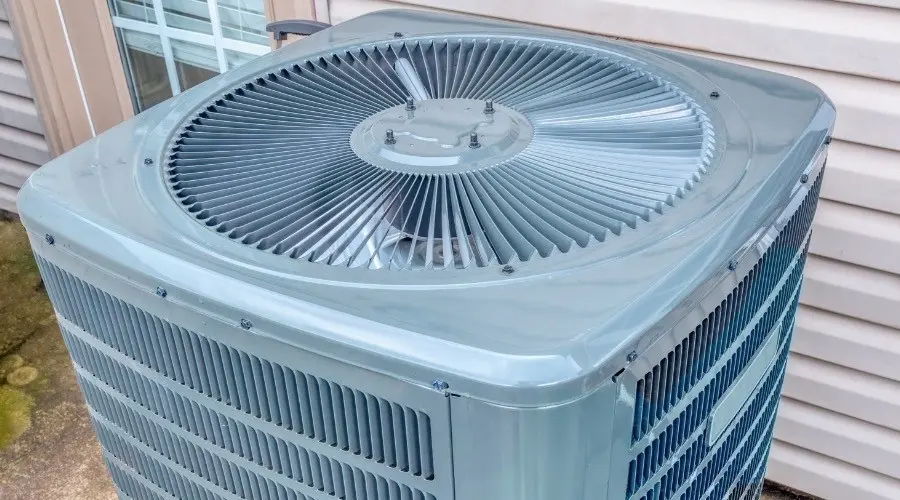
When deciding on a new setup, the choice usually lies between a traditional central air conditioning system and a modern ductless mini split system. A central AC setup is often a seamless transition for homes that already utilize ductwork, as it provides whole-home cooling with vents that remain out of sight. While these systems are popular, they can sometimes suffer from energy losses within the ducts. Alternatively, the ductless mini split offers a highly efficient, customizable cooling experience. By avoiding the need for ductwork, a ductless mini split system provides precise, room-by-room temperature control. Although the initial investment might be higher, the potential for reduced energy bills and tailored comfort makes it an increasingly popular option for many homeowners.
Installing Central Air Conditioning Systems vs. Ductless Mini Split Systems
The debate between a traditional central air conditioning system and a ductless mini-split system often centers on the existing infrastructure of a home and the long-term goals of the property owner. While both serve the same fundamental purpose—cooling the air—their delivery methods and installation requirements differ significantly. Understanding these differences is the first step in ensuring a successful air conditioner installation.
Central Air Conditioning Benefits
A central air conditioning system operates through a network of ducts and vents to distribute cooled air from a single, high-capacity outdoor unit to every room in a house. One of the most significant advantages of this setup is the cost-efficiency for properties that already possess functional ductwork. In such cases, a new central air conditioner will be significantly less expensive to install than switching to a ductless alternative, as the primary infrastructure is already in place.
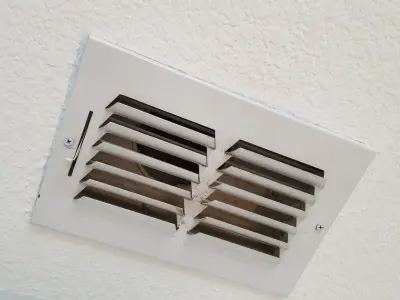
Beyond the initial air conditioner installation costs, central units are ideal for individuals who prefer the entire home to be cooled simultaneously from a single thermostat interface. Furthermore, this system is virtually invisible within the living space. Because the air ducts are hidden behind walls and the cooled air is delivered through subtle vents, homeowners can avoid the visual impact of wall-mounted indoor units associated with other technologies.
Ductless Mini Split Air Conditioner Benefits
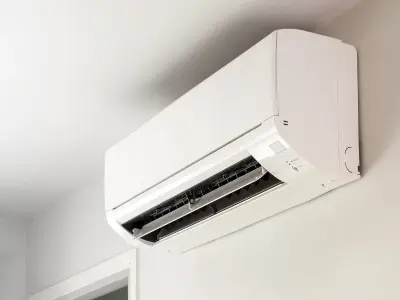
A ductless mini split consists of an outdoor compressor linked to one or more indoor air-handling units via small conduits. These systems are renowned for their superior energy efficiency. By delivering air directly into a specific room without passing through ducts, they avoid the significant energy losses typically associated with ductwork leakage, which often results in lower monthly energy bills.
The absence of ductwork makes a ductless mini split installation highly versatile, allowing for flexibility in the types of homes and spaces where it can be utilized, such as historic properties or room additions. This technology also enables zoned comfort. Each indoor unit can be controlled independently, allowing residents to customize the temperature in specific areas of the home without affecting others, ensuring maximum comfort and efficiency throughout the property.
Factors to Consider Before Installation
Several factors should influence the final decision regarding air conditioning installation. The presence or absence of existing air ducts is often the primary driver of the choice. If a home's layout makes the installation of new ductwork impractical or prohibitively expensive, a ductless system becomes the more logical path.
Homeowners must also weigh their financial priorities: specifically, whether they are more concerned with a lower upfront installation cost, or the long-term benefit of lower monthly operating expenses. Finally, the choice depends on temperature preferences. Those who desire consistent temperatures throughout the entire house might lean toward central air, while those who prefer zone temperature control—allowing them to cool specific zones individually based on occupancy—will find the mini split more suitable for their lifestyle.
About Chad's AC Direct
Chad's AC Direct is a heating and air conditioning company that serves Montgomery, AL. They provide personal attention, same-day service, and trusted technicians. Call for AC installation in Montgomery, AL.
Understanding Air Handlers and When They Need Service
Achieving a perfectly balanced indoor climate requires more than just an outdoor compressor sitting on a backyard concrete pad. True interior comfort depends heavily on a dedicated indoor system that quietly manages the heavy lifting of indoor air circulation. When this central indoor hub operates flawlessly, conditioned air travels effortlessly to every corner of the property, keeping the living environment fresh and pleasant. Understanding how this vital equipment operates helps property owners keep their utility bills low and prevents sudden disruptions to comfort when seasonal weather turns extreme.
What Is an Air Handler and Its Components?
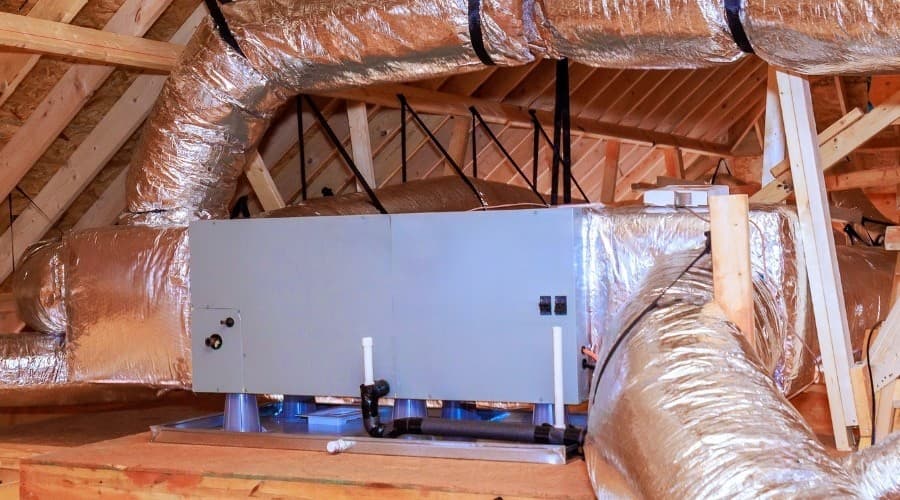
An air handler serves as the central circulatory hub of a residential climate control system. Working in tandem with an outdoor air-conditioning or heat-pump system, this vital indoor machine acts as the muscle that pulls stale air out of the living spaces and conditions it to the desired temperature. It distributes it throughout the house to various rooms. Without this continuous circulation loop, a home would quickly suffer from stagnant air, heavy humidity, and uncomfortable heat pockets.
To maintain a steady, fresh breeze, the air-handling unit encloses several critical mechanical components within its protective metal cabinet. A key element is the evaporator coil, a series of metal tubes that absorbs heat from the indoor air as it passes through the system. Directly behind it sits the blower, a heavy-duty motorized fan engineered to physically push the treated air through the network of vents and registers. Finally, the setup relies on a protective air filter to catch airborne dust, fabric fibers, and pet dander, ensuring these particles never settle on the delicate machinery or recirculate back into the household breathing space.
Key Signs That the Air Handler Needs Repair or Replacement
Property owners can catch system vulnerabilities early by staying attuned to changes in how their ventilation equipment behaves. A primary warning sign is the sudden onset of unusual noises, such as metallic scraping, high-pitched squealing, or rhythmic thumping, coming from the utility closet, which generally indicate worn bearings or a misaligned blower. Another subtle indicator is a steady, unexpected climb in monthly energy costs, a symptom that the indoor machinery is straining harder to complete its standard cycle.
Homeowners should also keep an eye out for water pooling around the air handler unit; this unwanted moisture often signals a blocked condensation pan or ice melting off a frozen evaporator coil. Lastly, if specific rooms feel completely stuffy while others stay cold, poor airflow and fluctuating temperatures indicate the internal system is struggling to distribute air effectively and may require professional attention.
Why the Air Handler Needs Routine Maintenance
Committing to a regular checkup schedule for indoor air equipment is the single most effective way to maximize its overall performance. Just like any high-use mechanical appliance, an air handler requires periodic calibration to sustain optimal energy efficiency and secure lower operating costs. When dust and grime coat internal surfaces, the fan motor must draw significantly more electricity to move air through the system, accelerating wear on critical parts. Investing in routine upkeep preserves the unit's long-term longevity, protects daily home comfort, and dramatically reduces the risk of an inconvenient, costly breakdown during peak weather seasons.
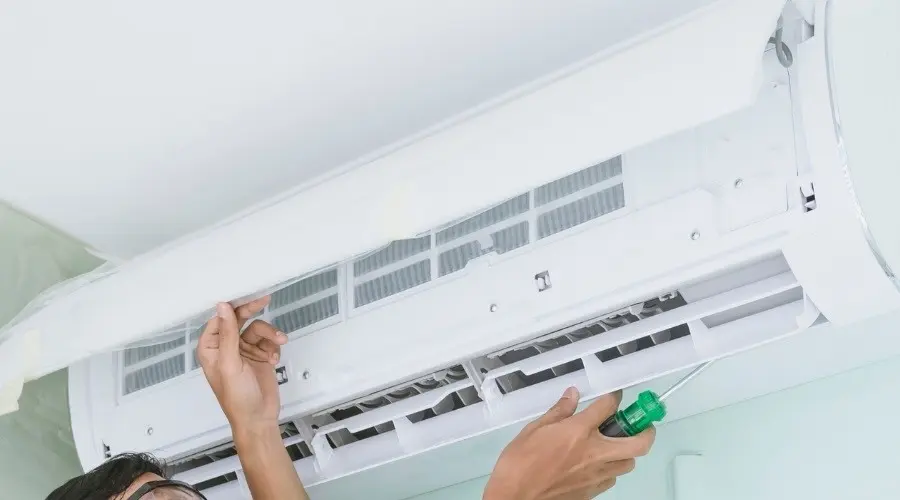
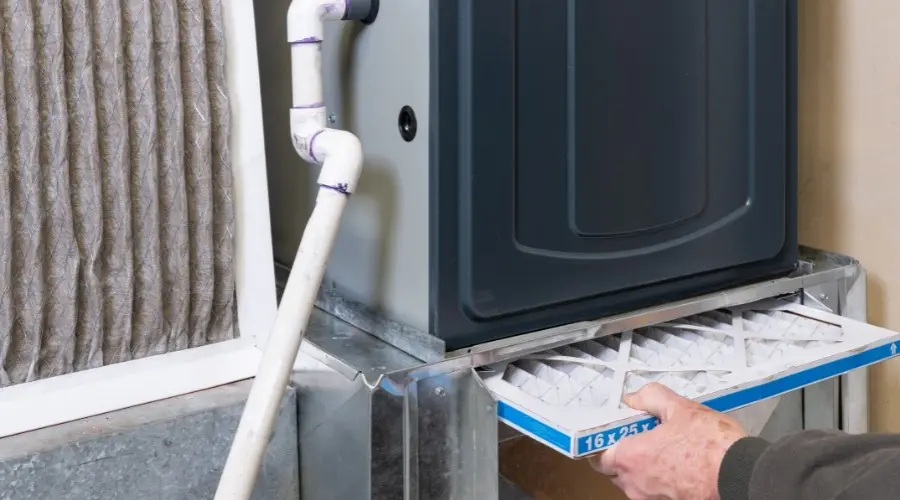
A fundamental part of this preventative care involves managing the system's primary line of defense. Ensuring a timely air filter replacement or AC filter replacement keeps the entire ventilation path open and clear. A clogged, dusty AC filter starves the internal fan of air, forcing the motor to overheat and potentially causing the cooling coils to freeze. Making regular AC filter replacement a priority is a low-cost habit that keeps household air clean, prevents unnecessary mechanical strain, and keeps the entire climate system running smoothly for years to come.
About Chad's AC Direct
Chad’s AC Direct delivers trusted heating and cooling services with a focus on personal attention, honest recommendations, and great-value service. Known for its no-surprises approach, the team provides transparent pricing, customized HVAC solutions, and dependable workmanship to ensure a smooth, stress-free experience from start to finish. Call for air handlers in Montgomery, AL.
An air conditioner works hard day and night to keep a home cool and comfortable, but like any machine, it can wear down over time. The good news is that these systems rarely break down without giving homeowners a few warning signs first. Whether it is a strange noise, weak airflow, or a sudden spike in the energy bill, the unit is often trying to signal that something is wrong. Learning to spot these early warnings gives homeowners the chance to address small problems before they grow into expensive repairs. Being proactive about the system's health means the home can stay comfortable all season long, without the risk of facing a sudden breakdown on the hottest, most unbearable day of the summer.
Loss of Cooling Power or Efficiency
The ultimate test of any cooling setup is the quality of the breeze coming out of the vents. When an AC unit starts blowing lukewarm or warm air into the rooms, it is a clear indicator that something is broken inside the machinery. This drop in temperature control typically points to a specific mechanical failure, such as a drop in essential chemical refrigerant, a compressor that has stopped pumping effectively, or a faulty thermostat that can no longer gauge the room temperature correctly.
When these internal parts fail, the entire air conditioning system has to deviate from its normal operating pattern to keep up with the thermostat settings. Homeowners might notice the machinery turning on and off rapidly throughout the day, a highly inefficient habit known as short-cycling or running endlessly without ever taking a breather. This constant operational struggle destroys the energy efficiency of the AC system. Instead of cutting down on power, the overworked unit gluttonously consumes electricity, which shows up directly as an expensive spike on the next monthly utility statement.
Strange Sounds or Odors
A well-maintained cooling system should operate with nothing more than a gentle, rhythmic hum. When strange, aggressive noises start echoing through the ductwork, the system is actively calling out for professional AC repair. Loud grinding or squealing sounds often indicate dry or failing motor bearings, while persistent rattling and buzzing can indicate loose panels or failing electrical components. Furthermore, hearing a distinct hissing or whistling sound usually means that highly pressurized refrigerant is actively escaping through a tiny puncture in the coils, requiring fast intervention to protect the system from burning out.
Unusual scents drifting from the ventilation system are just as telling and can guide a technician straight to the source of the trouble. A sharp, metallic burning smell almost always indicates an electrical failure, such as scorched wiring or an overheating fan motor. If the vents release a strange odor resembling car exhaust or gasoline, it is a strong sign of a chemical fluid leak within the unit. Meanwhile, heavy, musty aromas indicate that stagnant water has collected somewhere within the equipment's dark spaces, leading to mold growth that can quickly degrade indoor air quality.
Visible Leaks and Moisture
While removing humidity from the air is a normal part of the cooling process, that moisture must always flow out of the house through dedicated drainage channels. Finding an air conditioner leaking water or noticing large puddles gathering around the base of the indoor equipment means the drainage grid has failed. This messy accumulation is frequently caused by a completely clogged condensate drain line that has backed up with household dust and slime. It can also stem from a broken condensate pump that lacks the power to lift water from the safety pan, or from low internal fluid levels that cause the coils to freeze solid and then drip heavily as they thaw.
Allowing water to pool unchecked inside a utility closet or basement can quickly lead to ruined drywall, warped floors, and expensive structural wood rot. If any of these troubling signs of a malfunctioning air conditioning system are spotted around the house, the best course of action is to call an expert immediately. A trained technician can thoroughly inspect the entire malfunctioning system, pinpoint the exact mechanical issue, and perform the necessary air conditioning repair to restore reliable, crisp comfort to the household.
About Chad's AC Direct
Chad’s AC Direct provides reliable heating and cooling solutions, with a focus on personal attention, great-value service, and a no-surprises approach. With transparent pricing, written estimates, and tailored HVAC solutions, the team delivers dependable repairs, installations, and maintenance backed by professionalism, integrity, and a commitment to making every service experience hassle-free and stress-free. Call for air conditioning repair in Montgomery, AL.
When homeowners think about maintaining their heating and cooling system, air filters might not be the first thing that comes to mind. Yet this simple component plays a central role in keeping the system running well and the air inside the home clean and breathable. Learning a few key things about air filters can help homeowners make better decisions and avoid entirely preventable problems.
Questions about air filters tend to follow the same patterns. What exactly do they do? How often do they need to be swapped out? And what does a homeowner actually gain by staying on top of the schedule? The answers are straightforward, and knowing them makes it easier to take care of one of the most important parts of any home.
What Do Air Filters Do?
Every heating and cooling system relies on an air filter to keep the air moving through it as clean as possible. Whether it's called an AC filter, a furnace filter, or simply an air filter, the job is the same: to capture airborne particles as air passes through the system before being distributed throughout the home. Dust, pollen, pet dander, mold spores, and other contaminants are pulled into the return vents along with the air, and the filter prevents those particles from moving any farther into the system or back into the home's living spaces.
Without a functioning air filter, those particles would settle directly onto the internal components of the heating and cooling system, including the coils, the blower motor, and other sensitive parts. That buildup restricts airflow, reduces performance, and accelerates wear on equipment that's expensive to repair or replace. The air filter serves a dual purpose: protecting the system's mechanical parts and keeping the air circulating through the home from carrying unwanted contaminants.
How Often Should They Be Replaced?
The standard recommendation for air filter replacement is at least once every three months. That interval works well as a baseline for many households, but it isn't the right answer for everyone. The actual replacement timeline depends on what's happening inside the home. Households with pets deal with a constant supply of fur and dander that fills a filter much faster, often making monthly or every-six-week changes more appropriate. Homes with more occupants, those located in dusty environments, or those near areas with heavy outdoor air pollution may find that their filters reach the end of their useful life well before the three-month mark.
The easiest way to know when it's time to replace an AC or furnace filter is to look at the filter. A clean filter is light in color and clearly has room to do its job. A dirty air filter tells a different story, with a visible layer of gray or brown buildup that signals it's time to replace it. For homeowners or family members who live with allergies, asthma, or other respiratory sensitivities, staying ahead of that schedule matters even more. Replacing the filter every 30 to 45 days during high-pollen seasons or throughout the year can meaningfully reduce the amount of allergens recirculating through the home's air supply, which often leads to noticeable improvement in daily comfort and breathing.
What Are the Benefits of Routine Air Filter Replacement?
Regular air filter replacement has a direct, measurable impact on indoor air quality. When a filter is clean and functioning properly, it actively removes the particles that make air feel stale, trigger allergy symptoms, or irritate the respiratory system. As a filter becomes clogged, it loses the ability to do that job effectively, and the air circulating through the home becomes less clean as a result. Timely furnace and AC filter replacements are two of the simplest ways homeowners can maintain healthier indoor air throughout the year.
The benefits go well beyond air quality, though. A clean filter allows air to flow freely through the system, so the equipment doesn't have to work as hard to heat or cool the home. That improved efficiency translates directly into lower energy consumption and reduced utility bills. On the other end of the equation, a clogged filter forces the system to strain against restricted airflow, putting unnecessary wear on the blower motor and other components over time. Homeowners who replace their air filters on a consistent schedule tend to experience fewer unexpected repairs, longer equipment lifespans, and a heating and cooling system that performs reliably season after season.
About Chad's AC Direct
Chad’s AC Direct is a trusted home comfort provider in the Montgomery, AL area, offering dependable air conditioning and heating services homeowners can count on. With financing available, service at a great value, and a strong focus on personal attention, they make every job simple, transparent, and tailored to your needs—so you can feel confident and comfortable every step of the way. Call them for AC filter replacements in Montgomery, AL.
Enjoy personalized service from start to finish: convenient scheduling, expert installations, proper system sizing, and all work tailored to your particular needs. Your peace of mind is our priority!
Service at a Great Value
We do not work on commission and won’t try to sell you anything you don’t absolutely need. That’s why our customers enjoy savings on new systems by working directly with us!
No Surprises
We take pride in being fully transparent with our customers. You receive upfront written estimates. job details, and all questions answered before any work ever begins so you can make the best decision for your home.

 Recognizing the need for an air conditioner replacement early can prevent significant frustration. If a current unit is over 10 years old, it is likely reaching the end of its reliable lifespan. These aging machines often begin to lose effectiveness, resulting in inconsistent indoor temperatures. Additionally, if homeowners notice a sharp rise in energy bills, it is frequently a symptom of an inefficient unit struggling to keep up with cooling demands. When repair bills become a recurring expense, opting for a professional air conditioning replacement is often the more fiscally responsible path compared to endless maintenance. Put simply, frequent breakdowns are a clear signal that an AC replacement is necessary for continued peace of mind.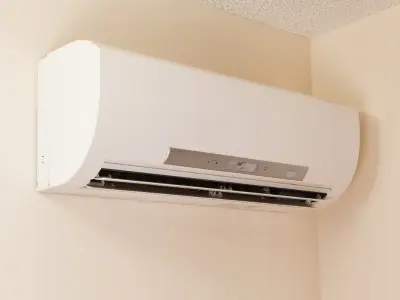
)
)
 An
An 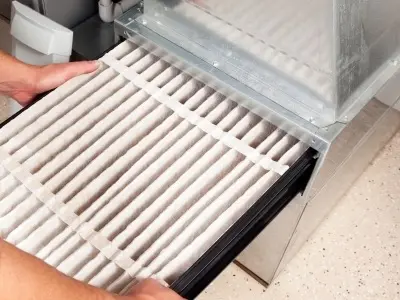
)


)


)