Energy and Money Saving Tips for Back to School Season

Young girl smiling in a car, waving, with a background figure, highlighting HVAC solutions for home comfort.

3 Ways To Keep a Home Energy Efficient When the Kids Are at School

There is nothing like the bustle of back to school. This year hopes run high that the return to school will be normal and students and teachers will be as excited as ever to participate in learning. It seems that every year the list of student needs grows, and that is more money going out the door every day in a school backpack. Reducing a household’s energy bill can be a key step in the right direction for saving money, and it is incredibly easy to do. One can do at least three things to reduce a home’s energy spending this very day.
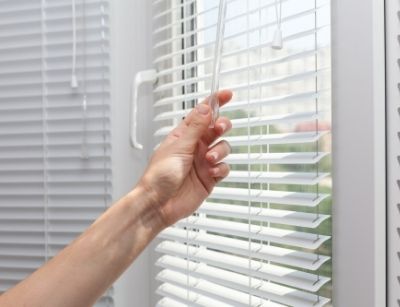
Hand adjusting white window blinds to block sunlight, emphasizing energy-saving tips for reducing HVAC costs in homes.

Block the Sun: Keep Window Covering Closed

While windows can be one of the main points of curb appeal in a new home, they are also the most likely part of the house to increase energy costs. Sunlight is wonderful and necessary for life on this planet, but it also heats a home when it comes streaming in through the glass. Keeping blinds and shades closed (even if they are not qualified as energy-saving) will reduce the workload on the AC unit. Less heat coming in means less output from the HVAC.

Crank up the Thermostat

While everyone likes to come home to comfortable temperatures, it is worth noting that raising the temperature of a thermostat by just a few degrees can make a big difference. Turning it up by as little as 2 or 3 degrees Celsius can save a homeowner up to ten percent on the cost of their energy bill. 

One of the beauties of the modern HVAC industry is the invention of the programmable or smart thermostat. While this may cost more at the initial outlay, the smart thermostat can be easily adapted to an individual schedule and monitor when residents are in or out of the home. They will turn the temperature down by a few degrees before people get home, so the temperature is more to a homeowner’s liking when they arrive. They can pay for themselves in a matter of months.

New Filters Every QuarterMan wearing a blue hard hat holding an HVAC air filter, emphasizing the importance of regular filter changes for efficient indoor air quality and energy savings.

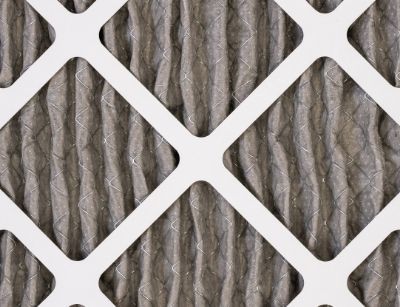
One of the simplest bits of maintenance that any homeowner can do to make their HVAC unit more efficient is to change the filter(s). Every time a student brings home a progress report, it is time to check the filters. The optimal maintenance is to change or clean the filters every three months. Filters keep many things out of the circulating air in the home, such as:

  • Pollen
  • Dust
  • Pollution
  • Dirt 
  • Smoke
  • Other irritants

As this residue accumulates in the filters, the air conditioning unit has to work harder to work at the same level. Replacing or cleaning the filters keeps the air conditioner from using more energy and costing more money to cool the home. 

About Chad’s Direct AC 

Chad’s Direct AC feels that having an air conditioning problem is enough of a surprise without worrying about the bill. They work with their customers in the Montgomery, AL area to provide upfront pricing and clear expectations of what will be done during the project. Call now for energy-saving AC services!

What Is the Best AC Filter To Use During Allergy Season?

Young man wiping his face with a tissue in a bright outdoor setting, reflecting on HVAC maintenance and summer AC tips.

Tips for Finding the Best HVAC Filter To Fight Off Allergies

Spring is here, and with it come warmer days, greener hills, and beautiful blossoms of every kind. Unfortunately, spring also brings a host of airborne allergens that can make the gorgeous, pleasant days pretty hard to enjoy. Homeowners who are hit especially hard every spring may find themselves at the end of their rope when it comes to keeping allergies at bay. 

Retreating indoors is the common instinct, but since indoor air is constantly recycled and recirculated, any airborne pollutants that make it inside tend to get trapped and build up to high concentrations. That’s where the HVAC filter comes in. Its job is to capture pollutants as the unit pulls in air to be cooled and distributed throughout the house. But not all filters are created equal. Read on to learn about the different types of filters and their relative efficacy at warding off allergies.

Fiberglass Air FiltersFiberglass HVAC air filter with a porous barrier, designed for capturing airborne particles, highlighting its texture and structure relevant to allergy control.

Fiberglass AC filters are the most common and least expensive filters around. They are made from spun glass fibers, which form a porous barrier to capture particles. These allow for powerful airflow, but as a result, they are not very effective at stopping smaller particles. To understand why it’s helpful to look at the MERV rating of fiberglass filters.

Simply put, the MERV (minimum efficiency reporting value) rating of an HVAC filter denotes its efficiency at capturing airborne particles, with 1 being the least efficient and 16 being the most efficient. Fiberglass filters have a MERV rating of around 1 to 4, which means they only capture a fairly small percentage of particles. They also tend to become clogged very quickly, so it’s imperative to replace them every 30 days or so.

Reusable or Washable Air Filters

Next up are reusable filters, which capture particles by filtering air through several layers of woven polypropylene or similar material, each of which holds an electrostatic charge. This static electricity gives airborne particles a positive charge, essentially causing them to become attracted to the filter and stuck in place.

Many homeowners like these filters because they tend to last for many years and can be unplugged and washed with water rather than replaced outright. However, these also have a MERV rating of around 4 or lower, which means they aren’t very effective against common, small-particle allergens like mold and pollen.

HEPA Air FiltersPerson installing a HEPA air filter in an HVAC unit, emphasizing effective allergen capture and air quality improvement.

Finally, there are HEPA (high-efficiency particulate air) filters. These heavy-duty filters don’t mess around when it comes to capturing even very tiny particles - hence the name. These actually go beyond the standard MERV scale, as they can effectively trap a very high percentage of just about any particulate matter, including mold, pollen, dust mites, bacteria, and even smoke.

These are undoubtedly the best filters for those who suffer from allergies. The trouble is, they are very dense and can severely constrict airflow if the AC unit isn’t powerful enough to handle it - which can damage the unit or cause it to wear out prematurely. A pleated filter with a mid-to-high MERV rating may do the trick for some homeowners, but those who get knocked down by allergies may need the comprehensive protection of a HEPA filter. 

In any case, it’s always best to consult with an HVAC professional to determine whether the AC unit can handle a given filter type without sacrificing unit efficiency.

About Chad’s AC Direct

The friendly experts at Chad’s AC Direct have been delivering superior service to the Montgomery, Alabama community for years. Their licensed and background-checked technicians are punctual, respectful, and don’t work on commission - which means they’ll never upsell or recommend unnecessary products. They always offer transparent, flat-rate pricing, 24/7 emergency AC service, and an airtight satisfaction guarantee on every job.

Heat Your Home With Heat Pumps This Holiday Season

Young girl gazing out window, cup on table reflecting peaceful home ambiance for HVAC comfort tips.

Warm Your Home Efficiently With Heat Pumps

The end of the year is the season for celebration and thanksgiving. Holiday gatherings and meals are scheduled. People exchange gifts. Houses are decorated with beautiful displays to mark this joyous time of year. But many people don't realize how important a home's heater is to the merriment. One of the highest costs of the season is heating a home for visitors during the holiday season. Along with all of the other costs associated with the holidays, bills can become overwhelming during this time of year. 

Luckily, some changes can be made to homes to help them run more efficiently and reliably. By saving on heating bills and repairs, homeowners can enjoy an extra cash boost during the holidays. 

What Is a Heat Pump and How Does It Work?

Heat pumps are not necessarily new technology. However, new developments have made them wildly more efficient than their fossil-fuel-burning counterparts. An air conditioner works by compressing and expanding a chemical refrigerant to capture heat from inside the home and release it outside. A heat pump does the same thing except in reverse. 

Cardboard sign with the text "HOW DOES IT WORK?quot; emphasizing the functionality of heat pumps in HVAC systems.

It may be counterintuitive to think about winter outdoor temperatures as "warm," but the properties of the refrigerant allow the heat pump to capture the warmth outside and pump it inside a home. It accomplishes this by allowing the refrigerant to evaporate in the outdoor coil, which warms it up. 

When the refrigerant circulates to the compressor, large amounts of heat are generated and exchanged inside the blower unit to warm the home. The refrigerant is then pumped back outside, where the cycle continues. 

Maximize Energy Efficiency

Heat pumps are gaining so much attention because of how energy-efficient they can be. Under ideal conditions, a heat pump can reach efficiencies as high as 300% because of the amount of heat they can transfer. The most efficient gas-powered furnaces are only rated at 98% efficient. This means that heat pumps are by far more efficient than electrical resistance heating and more efficient than fossil fuel heat sources. 

Benefits of Installing Heat Pumps

Person writing "BENEFITS" in a notebook, emphasizing the advantages of heat pumps in HVAC systems, with office supplies and a calculator visible in the background.

Energy efficiency ratings directly relate to savings on heating and cooling bills. Because heat pumps carry out heating and cooling, bills should stay stable and low year-round. Many households drop their reliance on natural gas altogether when they make the switch to heat pumps. 

Along with energy savings, some of the benefits of heat pumps are: 

  • No Extra Utilities: Homeowners won't have to pay gas bills for heating and won't be hit with monthly minimums during the cooling season while their heater sits idle. 
  • No Retrofitting: Heat pumps are designed to replace existing systems so installation is easy. 
  • Maximized lifespan: Heat pumps run continuously all year, either heating or cooling. This makes it easier on the machinery and reduces maintenance and repair costs compared to conventional furnace systems. 
  • Safety: No flames or carbon monoxide sources are present, so the risk of fire and poisoning is not present. 

About Chad's AC Direct

Chad's AC Direct serves the homes and businesses in the Montgomery area. Their technicians always give personalized attention to each customer's needs. Every estimate is agreed to in writing and itemized so customers know that they're getting what they paid for. Call now for expert heat pump services.

What is the Best Thermostat Temperature Setting for Each Season?

Thermostat showing 67°F with a hundred-dollar bill behind, relating to Chad's AC Direct's HVAC services.

Ideal Thermostat Setting for Each Season

Most people organize their closets by season. Spring and summer mean it’s time to break out the short-shorts and bro-tanks, but when fall and winter hit, it’s back to sweater weather and turning up the heating system. Just like people change their wardrobe with the change of seasons, the thermostat settings should be changed too. Knowing the right temperature to use when the seasons change can help save money and keep the house more comfortable.

Thermostat Setting for Cold Months

This is where the US is heading now. Fall is here already, and the winter season will be here soon. As the weather starts to cool off, it’s actually best to keep the thermostat set a little cooler.

Person bundled in winter clothing, shivering in cold weather, surrounded by snow and temperature indicators ranging from 18°F to 33°F, illustrating the importance of adjusting thermostat settings during cold months.

On average, the best indoor temperature during the cold months is 70°F. This temperature is plenty warm to keep pipes from freezing in the winter and cool enough to be comfortable wearing a sweater or other warm clothing indoors.

Thermostat Setting for Warm Months

Woman enjoying a desk fan in a bright office, illustrating comfort during warm months, relevant to HVAC tips for maintaining indoor temperatures.During the warmer months of spring and summer, indoor temperatures should be kept a little higher at 78°F. It might seem odd at first that the temperature should be higher for warmer months, but think about the clothes people wear during the different seasons.

Typically people wear long pants and sweaters or long sleeve shirts in the winter, so it makes sense that the temperature indoors would be cooler. While during the summer, it needs to be warm enough indoors to feel comfortable walking around with only a t-shirt and shorts.

Remember, these temperature suggestions for cold and warm months are an average temperature for households. Also keep in mind that people’s body temperatures fluctuate throughout the day, so the temperature may need to be adjusted slightly throughout the day. Don’t be afraid to test out different temperature variations and see what feels most comfortable!

Thermostat Setting for Empty House

These thermostat settings are the average settings mostly for homes that are left empty during the workday. So the most comfortable temperature might vary when people are home or asleep.

These temperature suggestions also help make a smooth transition to other temperatures when the house is filled with occupants (for example, during the holidays when the house is filled with 20 or more people) because they don’t require the house to work harder to change temperatures. They are within a regular room temperature scale, so any changes from these temperatures don’t feel very drastic.

Empty modern living space with large windows, hardwood floors, and minimalistic design, relevant for discussing thermostat settings in unoccupied homes.

If it is more comfortable to have your house cold, that’s perfectly fine too. Just remember, not to let the temperature go below 55°F when the house is empty for an extended period of time in the winter. The pipes might freeze!

About Chad’s AC Direct

At Chad’s AC Direct, their customers always receive red carpet service. They are a local Montgomery, AL heating and air conditioning company that keeps all customers’ best interests in mind. This means total transparency from start to finish. Whether they need to install a new air conditioning system, repair their furnace, or tune-up the unit, Chad's AC Direct comfort specialists will carry out the right solution at the best value.