
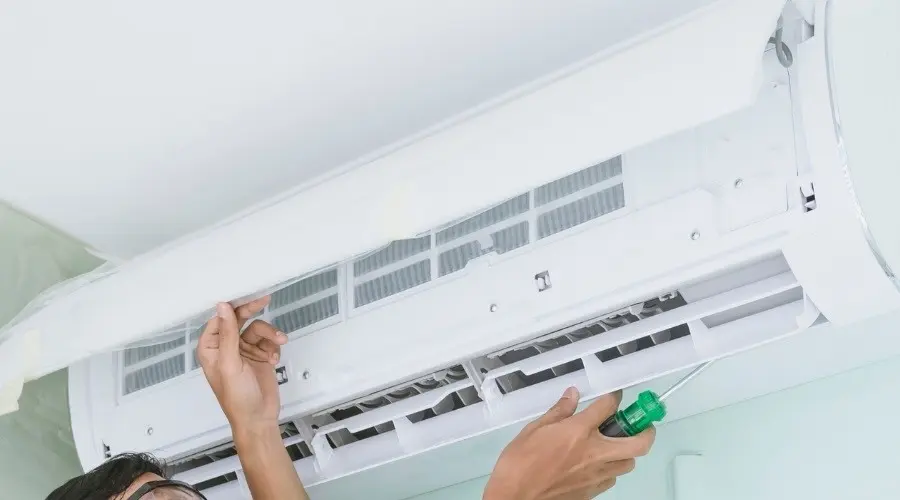
Installing Central Air Conditioning Systems vs. Ductless Mini Split Systems
The debate between a traditional central air conditioning system and a ductless mini-split system often centers on the existing infrastructure of a home and the long-term goals of the property owner. While both serve the same fundamental purpose—cooling the air—their delivery methods and installation requirements differ significantly. Understanding these differences is the first step in ensuring a successful air conditioner installation.
Central Air Conditioning Benefits
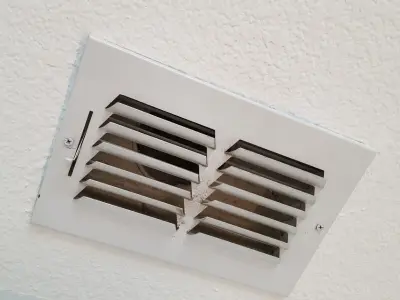
Beyond the initial air conditioner installation costs, central units are ideal for individuals who prefer the entire home to be cooled simultaneously from a single thermostat interface. Furthermore, this system is virtually invisible within the living space. Because the air ducts are hidden behind walls and the cooled air is delivered through subtle vents, homeowners can avoid the visual impact of wall-mounted indoor units associated with other technologies.
Ductless Mini Split Air Conditioner Benefits
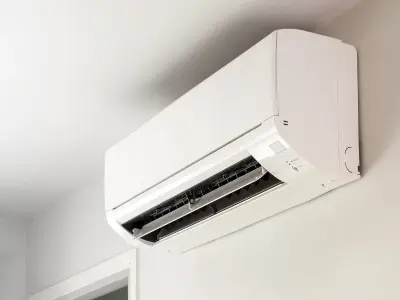
The absence of ductwork makes a ductless mini split installation highly versatile, allowing for flexibility in the types of homes and spaces where it can be utilized, such as historic properties or room additions. This technology also enables zoned comfort. Each indoor unit can be controlled independently, allowing residents to customize the temperature in specific areas of the home without affecting others, ensuring maximum comfort and efficiency throughout the property.
Factors to Consider Before Installation
Several factors should influence the final decision regarding air conditioning installation. The presence or absence of existing air ducts is often the primary driver of the choice. If a home's layout makes the installation of new ductwork impractical or prohibitively expensive, a ductless system becomes the more logical path.
Homeowners must also weigh their financial priorities: specifically, whether they are more concerned with a lower upfront installation cost, or the long-term benefit of lower monthly operating expenses. Finally, the choice depends on temperature preferences. Those who desire consistent temperatures throughout the entire house might lean toward central air, while those who prefer zone temperature control—allowing them to cool specific zones individually based on occupancy—will find the mini split more suitable for their lifestyle.
About Chad's AC Direct
Chad's AC Direct is a heating and air conditioning company that serves Montgomery, AL. They provide personal attention, same-day service, and trusted technicians. Call for AC installation in Montgomery, AL.
)



)



)



)
)
)



)
)
)