
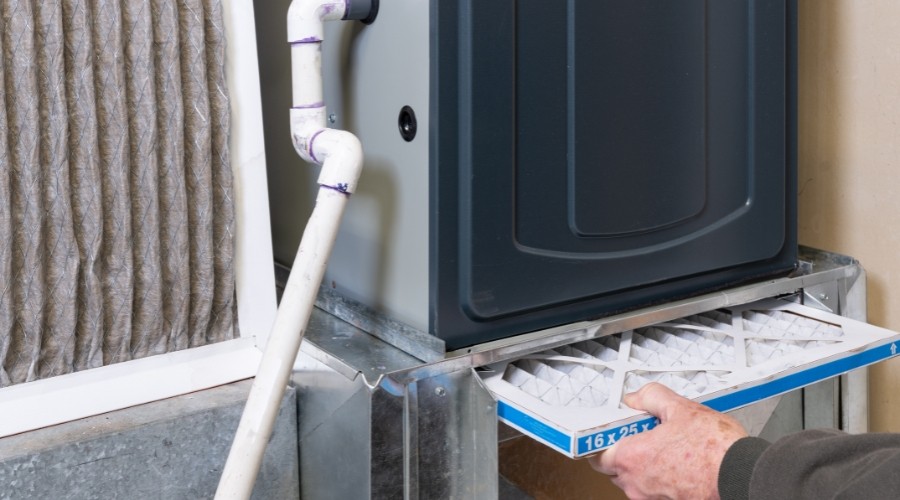
AC and Furnace Filters Explained
When homeowners think about maintaining their heating and cooling system, air filters might not be the first thing that comes to mind. Yet this simple component plays a central role in keeping the system running well and the air inside the home clean and breathable. Learning a few key things about air filters can help homeowners make better decisions and avoid entirely preventable problems.
Questions about air filters tend to follow the same patterns. What exactly do they do? How often do they need to be swapped out? And what does a homeowner actually gain by staying on top of the schedule? The answers are straightforward, and knowing them makes it easier to take care of one of the most important parts of any home.
What Do Air Filters Do?
Every heating and cooling system relies on an air filter to keep the air moving through it as clean as possible. Whether it's called an AC filter, a furnace filter, or simply an air filter, the job is the same: to capture airborne particles as air passes through the system before being distributed throughout the home. Dust, pollen, pet dander, mold spores, and other contaminants are pulled into the return vents along with the air, and the filter prevents those particles from moving any farther into the system or back into the home's living spaces.
Without a functioning air filter, those particles would settle directly onto the internal components of the heating and cooling system, including the coils, the blower motor, and other sensitive parts. That buildup restricts airflow, reduces performance, and accelerates wear on equipment that's expensive to repair or replace. The air filter serves a dual purpose: protecting the system's mechanical parts and keeping the air circulating through the home from carrying unwanted contaminants.
How Often Should They Be Replaced?
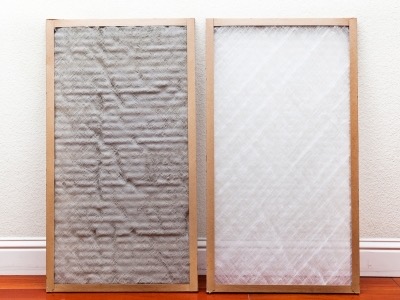 The standard recommendation for air filter replacement is at least once every three months. That interval works well as a baseline for many households, but it isn't the right answer for everyone. The actual replacement timeline depends on what's happening inside the home. Households with pets deal with a constant supply of fur and dander that fills a filter much faster, often making monthly or every-six-week changes more appropriate. Homes with more occupants, those located in dusty environments, or those near areas with heavy outdoor air pollution may find that their filters reach the end of their useful life well before the three-month mark.
The easiest way to know when it's time to replace an AC or furnace filter is to look at the filter. A clean filter is light in color and clearly has room to do its job. A dirty air filter tells a different story, with a visible layer of gray or brown buildup that signals it's time to replace it. For homeowners or family members who live with allergies, asthma, or other respiratory sensitivities, staying ahead of that schedule matters even more. Replacing the filter every 30 to 45 days during high-pollen seasons or throughout the year can meaningfully reduce the amount of allergens recirculating through the home's air supply, which often leads to noticeable improvement in daily comfort and breathing.
What Are the Benefits of Routine Air Filter Replacement?
 Regular air filter replacement has a direct, measurable impact on indoor air quality. When a filter is clean and functioning properly, it actively removes the particles that make air feel stale, trigger allergy symptoms, or irritate the respiratory system. As a filter becomes clogged, it loses the ability to do that job effectively, and the air circulating through the home becomes less clean as a result. Timely furnace and AC filter replacements are two of the simplest ways homeowners can maintain healthier indoor air throughout the year.
The benefits go well beyond air quality, though. A clean filter allows air to flow freely through the system, so the equipment doesn't have to work as hard to heat or cool the home. That improved efficiency translates directly into lower energy consumption and reduced utility bills. On the other end of the equation, a clogged filter forces the system to strain against restricted airflow, putting unnecessary wear on the blower motor and other components over time. Homeowners who replace their air filters on a consistent schedule tend to experience fewer unexpected repairs, longer equipment lifespans, and a heating and cooling system that performs reliably season after season.
About Chad's AC Direct
Chad’s AC Direct is a trusted home comfort provider in the Montgomery, AL area, offering dependable air conditioning and heating services homeowners can count on. With financing available, service at a great value, and a strong focus on personal attention, they make every job simple, transparent, and tailored to your needs—so you can feel confident and comfortable every step of the way. Call them for AC filter replacements in Montgomery, AL.
)

 Wellness is a concept that is becoming more popular in describing not just the health of an individual but their ability to thrive. Indoor air quality has important implications for wellness because the air quality in a home directly affects health but also impacts the environment people find themselves in. Some of the negative health effects of low-quality indoor air are:
  Improving a home's
 )

 UV Systems: These systems can be used for one room or a whole house by adding multiple systems. They use UV light to neutralize bacteria, mold, mildew, and fungi.
 If you want to improve your electric bills, help keep air quality consistent, and improve the feel of your home, invest in a
 )
)
)
)