A Guide to AC Replacement and Signs It's Needed

Important Air Conditioner Replacement Basics to Know

Understanding the upgrade process is essential for maintaining consistent home comfort and optimizing the long-term cooling budget. By familiarizing themselves with the core elements of AC replacement, homeowners can make informed decisions about when to replace an air conditioner and which types of AC systems to consider, ensuring their new system operates efficiently for years to come.

Signs to Replace an Air Conditioner
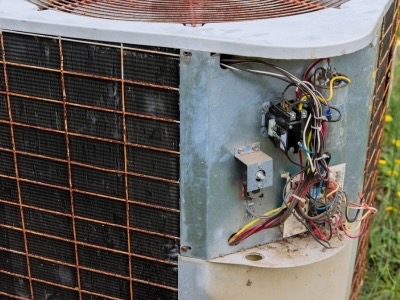
old AC unitRecognizing the need for an air conditioner replacement early can prevent significant frustration. If a current unit is over 10 years old, it is likely reaching the end of its reliable lifespan. These aging machines often begin to lose effectiveness, resulting in inconsistent indoor temperatures. Additionally, if homeowners notice a sharp rise in energy bills, it is frequently a symptom of an inefficient unit struggling to keep up with cooling demands. When repair bills become a recurring expense, opting for a professional air conditioning replacement is often the more fiscally responsible path compared to endless maintenance. Put simply, frequent breakdowns are a clear signal that an AC replacement is necessary for continued peace of mind.

Advantages of Replacing an Old AC Unit

Investing in a fresh air conditioner installation offers both immediate and long-term benefits. Newer models are designed with superior energy efficiency, which directly lowers monthly utility costs. Beyond the financial impact, professional air conditioning installation provides enhanced comfort through quieter operation and more reliable performance. Furthermore, upgrading allows for system resizing; a modern AC installation ensures the cooling capacity is perfectly matched to the home's square footage and layout, eliminating the issues caused by units that are improperly sized for the space.

Choosing a Type of AC System
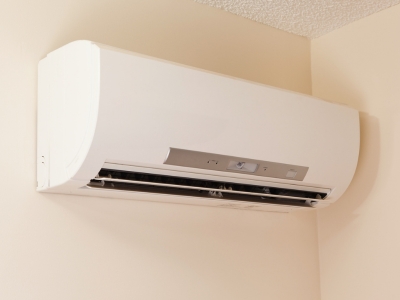
ductless mini split When deciding on a new setup, the choice usually lies between a traditional central air conditioning system and a modern ductless mini split system. A central AC setup is often a seamless transition for homes that already utilize ductwork, as it provides whole-home cooling with vents that remain out of sight. While these systems are popular, they can sometimes suffer from energy losses within the ducts. Alternatively, the ductless mini split offers a highly efficient, customizable cooling experience. By avoiding the need for ductwork, a ductless mini split system provides precise, room-by-room temperature control. Although the initial investment might be higher, the potential for reduced energy bills and tailored comfort makes it an increasingly popular option for many homeowners.

About Chad's AC Direct

Chad's AC Direct is a heating and air conditioning company that serves Montgomery, AL. They provide personal attention, same-day service, and trusted technicians. Call for air conditioning replacement and installation services in Montgomery, AL.

Boiler Know-How: A Smart, Simple Guide

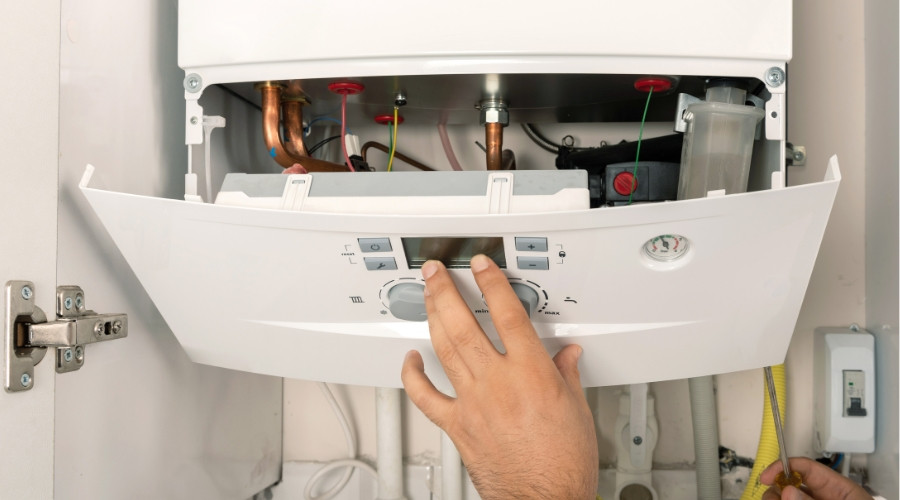
Hand adjusting settings on a modern boiler control panel, illustrating boiler maintenance and efficiency in home heating systems.

Boiler Basics to Help Keep a Home Warm and Efficient

Choosing the right boiler can be a complex decision, especially when comfort, cost, and long-term reliability are all factors to consider. This guide explains how a boiler heating system works, what drives efficiency, and which signs indicate the need for boiler repair versus replacement. It also outlines where professional boiler installation fits in and how routine boiler maintenance supports dependable performance. In short, the overview covers fundamentals, warning signs, and practical steps to maintain steady heat throughout the season.

What Is a Boiler?

A boiler is a closed vessel that heats water or produces steam, sending warmth through radiators, baseboards, or radiant floors. Unlike forced‑air equipment, a boiler heating system relies on hydronic circulation, delivering even, draft‑free comfort. Many households value the quiet operation and reduced dust movement that come with water‑based distribution, as large volumes of air are not pushed through ducts during typical heating cycles.

Flexibility is a major advantage. Boilers can be configured for natural gas, propane, oil, or electric applications, and can integrate with zoning controls to tailor temperatures by area. When equipment is correctly sized and paired with a thoughtful piping and control strategy, efficiency and comfort improve together. Professional boiler installation is crucial—proper venting, pump selection, expansion control, and safe flue design all contribute to reliable operation from day one.

Over time, wear and changing needs may prompt decisions about upgrades. Suppose performance concerns or rising operating costs persist. In that case, a comparison between targeted boiler repair and a planned boiler replacement can clarify the most cost‑effective path forward, balancing efficiency goals with service history and remaining lifespan.

Signs That Boiler Repair Is Needed

sounds Heating systems often provide early indications of potential failures before they occur. Water around the base of a boiler is a clear signal to investigate, as leaks can stem from valves, fittings, or seals that require attention. Persistent moisture may also indicate pressure-related issues that a professional should assess to prevent further damage.

Changes in performance are another indicator. Longer warm‑up times for radiators or baseboards, uneven temperatures from room to room, or frequent resets suggest circulation or control problems. Unusual noises—banging, whistling, or gurgling—commonly align with air in the lines, mineral buildup, or pump concerns. Visible flame irregularities on gas‑fired equipment and recurring error codes on controls are additional signs that boiler repair should be scheduled.

A steady increase in energy use without another explanation can also highlight declining efficiency. When the same issues return despite prior service, a broader evaluation is wise. At that point, a qualified technician can advise whether strategic boiler repair will restore stability or whether a boiler replacement would better meet reliability and efficiency expectations over the long term. Ongoing boiler maintenance helps reduce the frequency of these problems and keeps components operating within design limits.

How to Keep a Boiler Efficient

boiler Consistent care is the foundation of dependable heat. Routine boiler maintenance typically includes cleaning the burner and heat exchanger, checking electrical connections, confirming safe venting, testing pressure and temperature controls, and verifying expansion tank function. Attention to circulators, zone valves, and air separators helps maintain healthy flow, which directly supports efficiency and comfort.

Simple habits contribute as well. Bleeding radiators to remove trapped air promotes even heat distribution, while monitoring system pressure helps catch small issues early. Water quality management—such as scale and corrosion control, where recommended—protects internal passages and preserves heat‑transfer surfaces. Insulating accessible hot‑water piping and balancing zones can further reduce losses and smooth temperature swings.

When equipment age and repair history begin to work against reliability, planning a boiler replacement can reset performance and improve efficiency with modern controls and components. A quality boiler installation establishes the right foundation—correct sizing, proper venting, and a well‑designed distribution layout—so the system runs as intended. With ongoing boiler maintenance, most systems deliver steady, efficient heat across many seasons, and timely boiler repair keeps minor concerns from becoming larger issues.

About Chad's AC Direct

Chad's AC Direct is a reputable HVAC contractor that provides personal attention from trusted technicians in Montgomery and the surrounding areas. Call them today for competitive pricing, peace of mind, and same-day boiler service in Montgomery, AL.

A Guide to Ductwork and When the Ducts Need Service

When Do the Air Ducts Need Professional Attention?

Ductwork is the hidden highway of an HVAC system, and small issues inside those passages can quietly raise costs and reduce comfort. This guide explains common signs that indicate the need for ductwork repair or air duct repair, the importance of ongoing air duct maintenance and cleaning, and factors that influence the timeline for ductwork replacement or air duct replacement. The overview also highlights how air duct cleaning and ductwork cleaning support indoor air quality and system efficiency across the seasons.

Signs Ductwork Repair Is Needed

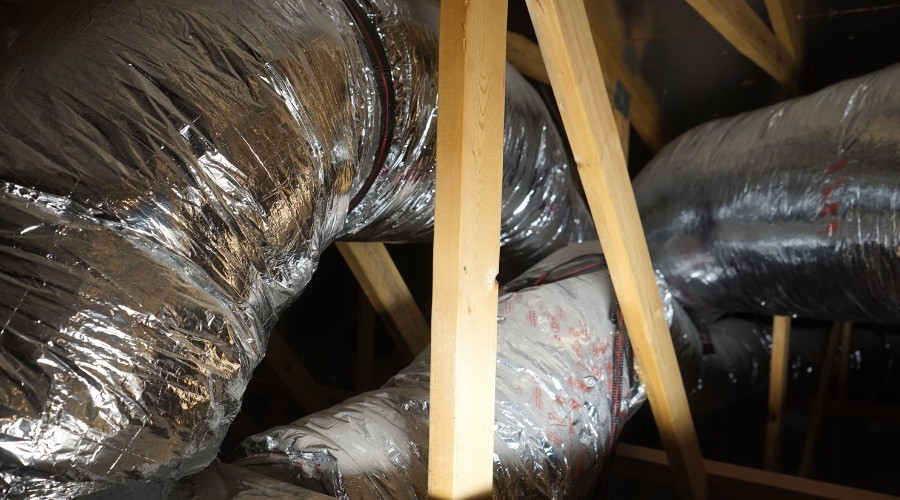
dust Damaged or aging ductwork can undermine heating and cooling performance long before a full failure becomes obvious. One early clue is unusual dust behavior. Excessive dust settling soon after cleaning or visible puffs from supply registers at startup can indicate air leaks that draw debris from attics, crawlspaces, or wall cavities. Those leaks allow unfiltered air to enter the air duct network and recirculate through living areas, signaling that air duct repair or broader ductwork repair may be necessary.

Comfort inconsistencies are another warning sign. Rooms that feel stuffy while others remain cool, or vents with noticeably weak airflow, often point to crushed runs, disconnected joints, or blockages. These restrictions force equipment to work harder while delivering less conditioned air, increasing wear on the system, and degrading efficiency. Whistling, rattling, or banging noises from the air duct system can further indicate loose fasteners, gaps at seams, or objects lodged inside the ducts that require attention.

Unexplained increases in utility costs, longer system run times, or frequent temperature fluctuations can all indicate that the ductwork is not sealing or distributing air as intended. Over time, even minor leaks compound losses. A prompt inspection focused on sealing, insulation, and correct sizing can restore balanced airflow. When leaks, damage, or undersized sections are widespread, targeted ductwork repair in key areas—paired with follow‑up testing—helps confirm that the air path is performing as designed.

The Importance of Air Duct Maintenance and Cleaning

air duct Regular care of the air duct system protects both comfort and HVAC performance. Air duct maintenance helps keep connections tight, insulation intact, and airflow unobstructed. Without periodic attention, dust, pet dander, and other particles can accumulate inside ductwork, where they settle on surfaces and can be released back into occupied spaces each time the blower operates. This buildup can also narrow passages, elevate static pressure, and reduce delivered airflow.

Professional air duct cleaning and ductwork cleaning use specialized equipment to dislodge and remove accumulated debris throughout the system. During the same visit, many providers also evaluate accessible joints and seams, identify gaps that waste conditioned air, and recommend sealing strategies. Fixing leakage reduces energy loss while improving delivery to distant rooms, and cleaning supply and return paths allows the system to move air with less effort.

Maintenance does not stop with cleaning. A comprehensive program can include verifying filter access and fitment, checking for crushed or kinked flexible ducts, confirming that dampers are set correctly, and inspecting external insulation for damage. In homes with recent remodeling or pest activity, an additional check helps ensure that the air duct layout remains intact and unobstructed. When paired with routine filter changes and scheduled HVAC service, this level of air duct maintenance supports cleaner airflow, quieter operation, and steadier temperatures across zones.

How Long Does Ductwork Last?

Ductwork longevity depends on materials, installation quality, environmental conditions, and ongoing care. Metal ducts typically offer durable performance, while flexible ducts provide convenience but require careful routing and protection from compression. Regardless of material, correct installation practices—secure hangers, sealed joints, smooth transitions, and appropriate insulation—set the foundation for long service life. Systems installed without those fundamentals are more likely to develop leaks, noise, and airflow imbalances that shorten useful life.

Routine evaluation is important as a system ages. Signs that suggest planning for ductwork replacement include extensive air leaks across multiple runs, widespread insulation damage, recurring condensation issues, or a layout that no longer supports the current HVAC equipment. In those cases, air duct replacement can address chronic losses and allow a redesigned layout with improved balance, better returns, and updated materials. When issues are limited to specific sections, targeted air duct repair or localized ductwork repair may resolve concerns without a full replacement.

Preventive measures help extend service life. Periodic air duct cleaning after major construction, sealing and insulating accessible joints, and ensuring that storage items do not compress or obstruct runs, all support consistent performance. Regular inspections tied to seasonal HVAC service make it easier to catch small problems before they spread. With thoughtful maintenance and timely repairs, many systems operate reliably for years; when replacement is warranted, a well‑planned redesign can improve airflow, comfort, and system efficiency going forward.

About Chad's AC Direct

Chad's AC Direct is a top-rated heating and air conditioning company offering mess-free work from knowledgeable technicians in the Montgomery community and surrounding areas. Call them today for written estimates and cost savings on air duct cleaning and repairs in Montgomery, AL.

A Brief Guide to Refrigerant

Pink refrigerant tank with pressure gauges and hoses on wooden surface, illustrating HVAC maintenance tools relevant to air conditioning systems.

Refrigerant and Signs of Refrigerant Issues

Refrigerant plays a vital role in maintaining efficient cooling within an HVAC system. Rising energy costs and complicated repair needs often trace back to refrigerant-related problems. By understanding how refrigerant works, it becomes easier to identify system inefficiencies and prevent costly failures. A well-maintained refrigerant system leads to improved comfort and better long-term performance.

How Refrigerant Works in an Air Conditioning System

Refrigerant serves as the heat transfer agent in an air conditioning system, absorbing heat from indoor air and releasing it outside. The process involves a continuous cycle of phase changes between liquid and gas. During operation, the refrigerant circulates through the evaporator coil, compressor, condenser coil, and expansion valve.

Heat is absorbed at the evaporator as the refrigerant changes from liquid to gas. The compressor then increases the pressure and temperature of the vapor before it flows to the condenser coil, where heat is expelled into the outdoor air. The refrigerant returns to liquid form and cycles back through the system. This process, according to the U.S. Department of Energy, allows modern AC systems to move more thermal energy than the electrical energy they consume.

Signs of a Refrigerant Leak or Overcharged Refrigerant

Woman sitting on a couch in a bright kitchen, holding a blue fan and using a laptop, illustrating the importance of air conditioning for comfort during hot weather.Symptoms of refrigerant leaks often include weak cooling performance and longer cooling cycles. Ice may form on evaporator coils when refrigerant volume becomes too low, leading to reduced airflow and potential damage. Leaking refrigerant can also produce hissing or bubbling noises around connection points or lines.

Elevated energy bills often signal that the system is overworking due to improper refrigerant levels. Both overcharging and undercharging cause similar performance issues, including reduced cooling output and increased power consumption. These problems can damage the compressor and shorten system life. Refrigerant must be charged according to the manufacturer's specifications to maintain balanced operation.

How to Avoid Refrigerant Issues

Technician giving a thumbs up while using gauges on an HVAC unit, demonstrating proper refrigerant measurement and maintenance practices.Refrigerant overcharging can cause pressure buildup that harms critical HVAC components. Accurate measurement using specialized gauges ensures the proper charge level. Technicians reference system specifications before making any adjustments to prevent under- or overfilling.

Professional service includes more than refilling refrigerant. Leak detection, pressure testing, and system evacuation are often necessary to restore proper function. According to EPA data, a significant percentage of HVAC failures are attributed to refrigerant mishandling. Routine maintenance helps avoid these issues and improves overall energy efficiency.

Preventive inspections allow technicians to identify early signs of refrigerant loss or contamination. Coil cleaning and thorough system evaluations reduce stress on refrigerant lines and connection points. Industry reports show that systems receiving professional maintenance experience far fewer refrigerant-related failures. Investing in regular service extends the life of the cooling system and protects against major repair costs.

About Chad's AC Direct

Chad's AC Direct is a quality HVAC solutions company that serves Montgomery County and beyond. They offer expert installations, same-day service, and trusted technicians. Call them today for air conditioning repairs in Montgomery, AL.

A Homeowner's Guide to the Basics of Home Air Conditioning Systems

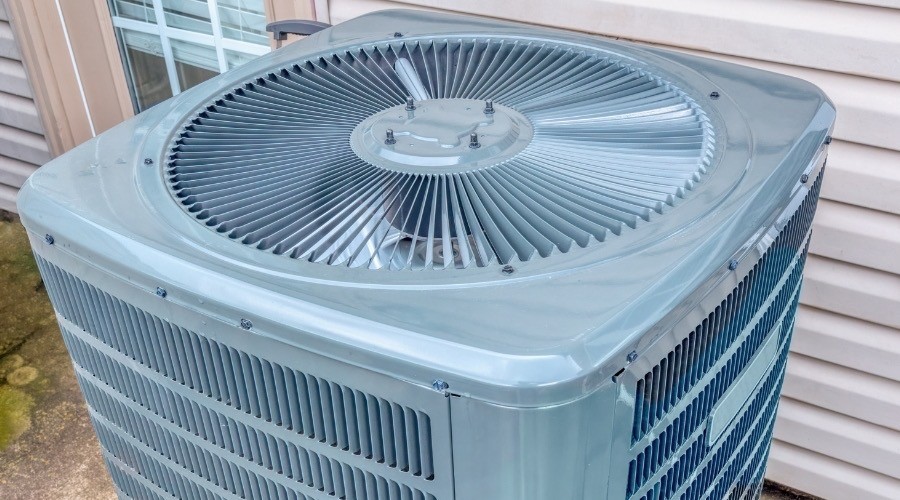
Gray air conditioning unit on concrete pad with fan, showcasing HVAC solutions from Chad's AC Direct.

Getting to Know a Home’s Air Conditioning System

When a home depends on its air conditioning system for comfort and cool air, it’s important to be familiar with it. From central AC units to a ductless mini split system, familiarity with the basics helps homeowners better understand their system and be proactive with air conditioning maintenance, repairs, and care. 

Exploring Common Air Conditioner Systems

Woman relaxing on a couch using a remote control for a ductless mini-split air conditioning system mounted on the wall, surrounded by indoor plants and modern decor, illustrating home comfort and HVAC solutions.There are many different types of air conditioning systems out there. For this guide, the focus will remain on the two most common home systems in use. 

  1. Central Air Conditioning: distributes air through a ductwork system set to a specified thermostat temperature. The unit effectively cools large areas with consistent temperatures throughout the entire home. 
  2. Ductless Mini-Split Air Conditioner: great for cooling in specified zones without any ductwork needed. Set to an internal thermostat to maintain a small area to the selected temperature. Provides targeted or zoned cooling. 

Both central AC and a ductless mini-split system have great benefits depending on the home's needs. They can be efficient and reliable when properly maintained and cared for. 

Identifying the Signs for Air Conditioning Repair

Man and woman sitting on a couch fanning themselves with handheld fans, facing a table fan, illustrating discomfort with indoor heat and the need for effective air conditioning solutions.Being familiar with how a home system operates is crucial. When a homeowner is familiar with their system, they can understand when repair or maintenance is important. Understanding the common signs of potential issues is important so homeowners can call a professional to help prevent unit failure or significant repair needs. 

Common signs to be aware of include the following: 

  • Poor airflow through the vents of the system
  • Increase in energy bills from a struggling unit
  • Cooling that is inconsistent with the AC unit in place
  • Strange or unusual noises coming from the system
  • Frequent cycling or turning off and on too often

If these issues are noted, the best thing to do is contact a professional to inspect the system and perform air conditioner maintenance and repair as needed. 

Understand the Value of Routine Air Conditioning Maintenance

Homeowners can proactively maintain air conditioners to help prevent or avoid bigger issues. Scheduling annual or biannual maintenance is an investment that prevents system malfunction. This allows professionals to clean and inspect the unit and discover any early indicators of potential problems. 

Hiring routine maintenance has some great benefits, like these: 

  • Improved unit efficiency
  • Enhance performance capability
  • Reducing or preventing breakdowns
  • Extending the lifespan of the unit

Maintenance will include a thorough inspection of the entire unit. The professionals will inspect and clean all components, check refrigerant levels, inspect the ductwork if applicable, and test the system for optimal functionality. Most technicians will change the air filters during maintenance calls as well. 

However, homeowners should also stay on top of AC filter changes. If the unit takes a filter, it should be changed every three months and sometimes more often. Staying on top of filter changes can have a positive impact in a household. 

About Chad’s AC Direct

Chad’s AC Direct believes HVAC service and care should never be a hassle. The company works hard to provide personal attention and accurate service that is of great value for every homeowner’s air conditioning needs. Contact them today for air conditioning maintenance in Montgomery, AL.