
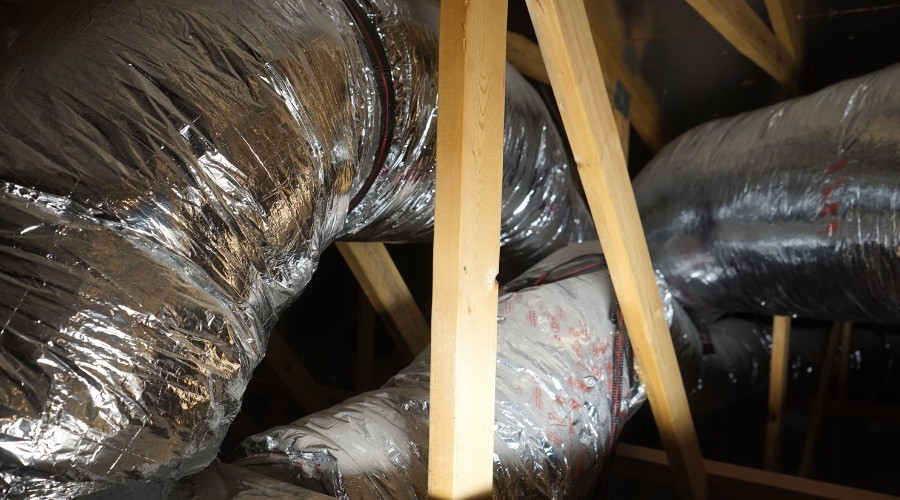
When Do the Air Ducts Need Professional Attention?
Ductwork is the hidden highway of an HVAC system, and small issues inside those passages can quietly raise costs and reduce comfort. This guide explains common signs that indicate the need for ductwork repair or air duct repair, the importance of ongoing air duct maintenance and cleaning, and factors that influence the timeline for ductwork replacement or air duct replacement. The overview also highlights how air duct cleaning and ductwork cleaning support indoor air quality and system efficiency across the seasons.
Signs Ductwork Repair Is Needed
 Damaged or aging ductwork can undermine heating and cooling performance long before a full failure becomes obvious. One early clue is unusual dust behavior. Excessive dust settling soon after cleaning or visible puffs from supply registers at startup can indicate air leaks that draw debris from attics, crawlspaces, or wall cavities. Those leaks allow unfiltered air to enter the air duct network and recirculate through living areas, signaling that air duct repair or broader ductwork repair may be necessary.
Comfort inconsistencies are another warning sign. Rooms that feel stuffy while others remain cool, or vents with noticeably weak airflow, often point to crushed runs, disconnected joints, or blockages. These restrictions force equipment to work harder while delivering less conditioned air, increasing wear on the system, and degrading efficiency. Whistling, rattling, or banging noises from the air duct system can further indicate loose fasteners, gaps at seams, or objects lodged inside the ducts that require attention.
Unexplained increases in utility costs, longer system run times, or frequent temperature fluctuations can all indicate that the ductwork is not sealing or distributing air as intended. Over time, even minor leaks compound losses. A prompt inspection focused on sealing, insulation, and correct sizing can restore balanced airflow. When leaks, damage, or undersized sections are widespread, targeted ductwork repair in key areas—paired with follow‑up testing—helps confirm that the air path is performing as designed.
The Importance of Air Duct Maintenance and Cleaning
 Regular care of the air duct system protects both comfort and HVAC performance. Air duct maintenance helps keep connections tight, insulation intact, and airflow unobstructed. Without periodic attention, dust, pet dander, and other particles can accumulate inside ductwork, where they settle on surfaces and can be released back into occupied spaces each time the blower operates. This buildup can also narrow passages, elevate static pressure, and reduce delivered airflow.
Professional air duct cleaning and ductwork cleaning use specialized equipment to dislodge and remove accumulated debris throughout the system. During the same visit, many providers also evaluate accessible joints and seams, identify gaps that waste conditioned air, and recommend sealing strategies. Fixing leakage reduces energy loss while improving delivery to distant rooms, and cleaning supply and return paths allows the system to move air with less effort.
Maintenance does not stop with cleaning. A comprehensive program can include verifying filter access and fitment, checking for crushed or kinked flexible ducts, confirming that dampers are set correctly, and inspecting external insulation for damage. In homes with recent remodeling or pest activity, an additional check helps ensure that the air duct layout remains intact and unobstructed. When paired with routine filter changes and scheduled HVAC service, this level of air duct maintenance supports cleaner airflow, quieter operation, and steadier temperatures across zones.
How Long Does Ductwork Last?
Ductwork longevity depends on materials, installation quality, environmental conditions, and ongoing care. Metal ducts typically offer durable performance, while flexible ducts provide convenience but require careful routing and protection from compression. Regardless of material, correct installation practices—secure hangers, sealed joints, smooth transitions, and appropriate insulation—set the foundation for long service life. Systems installed without those fundamentals are more likely to develop leaks, noise, and airflow imbalances that shorten useful life.
Routine evaluation is important as a system ages. Signs that suggest planning for ductwork replacement include extensive air leaks across multiple runs, widespread insulation damage, recurring condensation issues, or a layout that no longer supports the current HVAC equipment. In those cases, air duct replacement can address chronic losses and allow a redesigned layout with improved balance, better returns, and updated materials. When issues are limited to specific sections, targeted air duct repair or localized ductwork repair may resolve concerns without a full replacement.
Preventive measures help extend service life. Periodic air duct cleaning after major construction, sealing and insulating accessible joints, and ensuring that storage items do not compress or obstruct runs, all support consistent performance. Regular inspections tied to seasonal HVAC service make it easier to catch small problems before they spread. With thoughtful maintenance and timely repairs, many systems operate reliably for years; when replacement is warranted, a well‑planned redesign can improve airflow, comfort, and system efficiency going forward.
About Chad's AC Direct
Chad's AC Direct is a top-rated heating and air conditioning company offering mess-free work from knowledgeable technicians in the Montgomery community and surrounding areas. Call them today for written estimates and cost savings on air duct cleaning and repairs in Montgomery, AL.
)
Distribution Links +
- https://smb.orangeleader.com
- https://smb.panews.com
- https://smb.picayuneitem.com
- https://smb.alabamanow.com
- https://smb.lobservateur.com
- https://smb.panolian.com
- https://smb.alexcityoutlook.com
- https://smb.americustimesrecorder.com
- https://smb.austindailyherald.com
- https://smb.oxfordeagle.com
- https://smb.vicksburgpost.com
- https://smb.claiborneprogress.net
- https://smb.demopolistimes.com
- https://smb.greenvilleadvocate.com
- https://smb.jessaminejournal.com
- https://smb.kenbridgevictoriadispatch.com
- https://smb.leaderpub.com
- https://smb.luvernejournal.com
- https://smb.selmatimesjournal.com
- https://smb.troymessenger.com
- https://smb.windsorweekly.com
- https://smb.clemmonscourier.net
- https://smb.harlandaily.com
- https://smb.irontontribune.com
- https://smb.state-journal.com
- https://smb.thetidewaternews.com
- https://smb.tryondailybulletin.com
- https://smb.farmvilleherald.com
- https://smb.shelbycountyreporter.com
- https://smb.suffolknewsherald.com
- https://smb.thewetumpkaherald.com
- https://smb.lagrangenews.com
- https://smb.roanoke-chowannewsherald.com
- https://smb.thepostsearchlight.com
- https://smb.valleytimes-news.com
- https://smb.theleesvilleleader.com
- https://smb.beauregardnews.com
- https://pr.hattiesburg.com
- https://pr.thembnews.com
- https://pr.timesofsandiego.com
- https://pr.chestercounty.com
- https://pr.naticktownnews.com
- https://pr.norfolkwrenthamnews.com
- https://pr.greenvillebusinessmag.com
- https://pr.davisjournal.com
- https://pr.herrimanjournal.com
- https://pr.millcreekjournal.com
- https://pr.midvalejournal.com
- https://pr.taylorsvillecityjournal.com
- https://pr.sandyjournal.com
- https://pr.wvcjournal.com
- https://pr.cottonwoodheightsjournal.com
- htv10.tv
- central.newschannelnebraska.com
- metro.newschannelnebraska.com
- southeast.newschannelnebraska.com
- northeast.newschannelnebraska.com
- plattevalley.newschannelnebraska.com
- panhandle.newschannelnebraska.com
- rivercountry.newschannelnebraska.com
- lifestyle.bryancountymagazine.com

 One can find air ducts inside the vents. They are responsible for pulling air into the vent so it can be cooled or heated before exiting the ducts. If air ducts are clogged, indoor air may become dirty while circulating throughout the house.
)
)
)