

The AC Is Your Summer BFF, Here’s How To Care for This Relationship
Summer can become a difficult time without an air conditioner, so those privileged to have a working AC in their home, no matter what kind it is, should take note of how they work and how to best take care of them. While school is already looming on the horizon, it’s not yet too late to take a crash course on all things AC and make sure that they are in tip-top shape to help the household find comfort despite the ebb and flow of each incoming heat wave.
What Types of Air Conditioners Are Most Commonly Used?
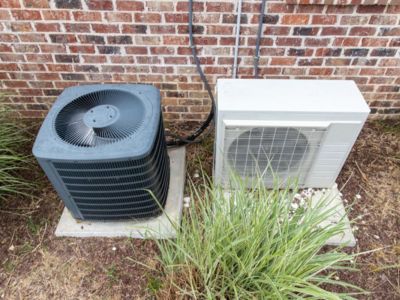 There are many brands and varieties of air conditioners out there offering a wide range of impressive features. Still, across the board, most can be categorized as either the central air conditioner type or the ductless air conditioner. Both are great options for cooling a home, and their differences in size, function, installation, and operation give homeowners the power to choose how best to cool their homes, given their specific circumstances.
Those who want a discreet appearance and the convenience of setting one temperature for the entire home may choose central air over the mini split air conditioner. Central ACs, as its name suggests, have one unit to control the temperature of the entire home and rely on a network of ducts and vents hidden in the floors, ceilings, and walls to distribute cooled air.
On the other hand, homeowners who want more flexibility in setting different temperatures in different home areas may benefit from the mini split. These kinds of ACs come in sets of two - an indoor air handler and an outdoor compressor - that provide individualized temperature control. These newer model ACs are preferred for their flexibility, ease of air conditioning installation, and energy-efficient operation.
How To Deal With a Malfunctioning AC
Encountering problems with the air conditioner that will require the assistance of a professional is not entirely uncommon. Air conditioners, especially when running constantly in the thick of the hot summer months, may break down or show signs of an impending problem. Most of the time, these problems have to do with a significant decrease in cooling power that may be due to a leak or low refrigerant levels.
Other possible issues with the AC could be related to weak airflow, musty, moldy smells, clanging, banging sounds, or high electricity bills. In these cases, it would be good to run through a checklist of possible causes, such as physical blockages in the airways that may be affecting the airflow, lack of proper drainage causing the growth of mold and the resulting musty smell, loose parts that may be creating unnecessary noises; or malfunctioning parts that could be causing decreased energy efficiency that is, in turn, driving up the energy bill.
Making the Most of AC Maintenance
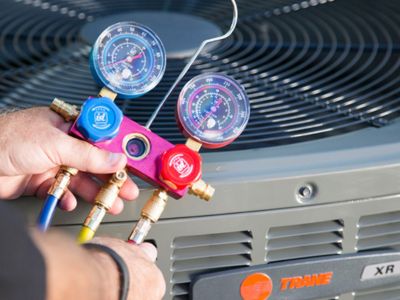 While air conditioning repair is often unavoidable, as all things naturally break down or malfunction occasionally, it is still possible to reduce the frequency and severity of the problems that may beset ACs occasionally. It’s as simple as committing to the tasks required to maintain and keep an air conditioner in great condition. These tasks include changing the air filter at least once every quarter and scheduling regular maintenance visits by a licensed HVAC technician. Doing this will not only save on unexpected repair costs but will also lengthen the life of the unit and save the exorbitant cost of having to go through a complete air conditioning replacement.
About Chad’s AC Direct
Chad’s AC Direct is a full-service heating and AC company serving the Montgomery, AL community. Customers can expect personalized and efficient service - from live answering to convenient scheduling and expert installation. Their team of expert technicians provides excellent service at a great value, with no surprise expenses and honest, upfront billing. Call them today for reliable HVAC services in Montgomery, AL.
)
Distribution Links +
- wicz.com
- htv10.tv
- central.newschannelnebraska.com
- metro.newschannelnebraska.com
- southeast.newschannelnebraska.com
- midplains.newschannelnebraska.com
- northeast.newschannelnebraska.com
- plattevalley.newschannelnebraska.com
- panhandle.newschannelnebraska.com
- rivercountry.newschannelnebraska.com
- lifestyle.mykmlk.com
- lifestyle.3wzfm.com
- lifestyle.southernsportstoday.com
- lifestyle.thepodcastpark.com
- lifestyle.680thefan.com
- lifestyle.xtra1063.com
- lifestyle.953hlf.com
- lifestyle.rewind1019.com
- lifestyle.us983.com
- lifestyle.countrylegends1059.com
- lifestyle.967wshv.com
- lifestyle.1045thedan.com
- michigan.yournewsnet.com
- lifestyle.earl983.com
- lifestyle.maverick1023.com
- lifestyle.magic979wtrg.com
- lifestyle.1077lakefm.com
- lifestyle.kbew98country.com
- lifestyle.kccrradio.com
- lifestyle.capitalcityrock.com
- lifestyle.current943.com
- lifestyle.thedam.fm
- lifestyle.hotcountry931.com
- lifestyle.pierrecountry.com
- lifestyle.kotaradio.com
- lifestyle.q923radio.com
- lifestyle.kynt1450.com
- lifestyle.all80sz1063.com
- lifestyle.myeaglecountry.com
- newsnetmedia.com
- atlanta.newsnetmedia.com
- augusta.newsnetmedia.com
- austin.newsnetmedia.com
- boise.newsnetmedia.com
- buffalo.newsnetmedia.com
- columbia.newsnetmedia.com
- columbus.newsnetmedia.com
- detroit.newsnetmedia.com
- fresno.newsnetmedia.com
- jacksonville.newsnetmedia.com
- losangeles.newsnetmedia.com
- minneapolis.newsnetmedia.com
- monterey.newsnetmedia.com
- myrtlebeach.newsnetmedia.com
- nashville.newsnetmedia.com
- norfolk.newsnetmedia.com
- odessa.newsnetmedia.com
- pittsburgh.newsnetmedia.com
- portland.newsnetmedia.com
- quincy.newsnetmedia.com
- sacramento.newsnetmedia.com
- saltlakecity.newsnetmedia.com
- sanantonio.newsnetmedia.com
- santabarbara.newsnetmedia.com
- siouxfalls.newsnetmedia.com
- waco.newsnetmedia.com
- sports.newsnetmedia.com
- lifestyle.roanokenewstalk.com
- lifestyle.995jamz.com
- https://smb.kenbridgevictoriadispatch.com
- https://smb.leaderpub.com
- https://smb.luvernejournal.com
- https://smb.selmatimesjournal.com
- https://smb.thesnaponline.com
- https://smb.troymessenger.com
- https://smb.windsorweekly.com
- https://smb.clemmonscourier.net
- https://smb.gatescountyindex.com
- https://smb.harlandaily.com
- https://smb.irontontribune.com
- https://smb.ourdavie.com
- https://smb.state-journal.com
- https://smb.thecharlottegazette.com
- https://smb.thecoastlandtimes.com
- https://smb.theinteriorjournal.com
- https://smb.thetidewaternews.com
- https://smb.tryondailybulletin.com
- https://smb.winchestersun.com
- https://smb.farmvilleherald.com
- https://smb.salisburypost.com
- https://smb.shelbycountyreporter.com
- https://smb.smithfieldtimes.com
- https://smb.suffolknewsherald.com
- https://smb.thewashingtondailynews.com
- https://smb.thewetumpkaherald.com
- https://smb.cordeledispatch.com
- https://smb.lagrangenews.com
- https://smb.middlesboronews.com
- https://smb.roanoke-chowannewsherald.com
- https://smb.tallasseetribune.com
- https://smb.thepostsearchlight.com
- https://smb.valleytimes-news.com
- https://smb.lowndessignal.com

 Most AC systems can last decades and never have a refrigerant leak. Other systems aren’t so lucky. Some things that can lead to refrigerant leaks include:
  AC problems do not get better on their own. They need attention from a professional. Some signs that warrant a call from an HVAC expert include:
 )

 As its name implies, a whole-house dehumidifier decreases humidity in the air by removing excess water vapor. A series of coils in this machine is cooled by refrigerants, which is what humid air first encounters when it gets sucked into the dehumidifier. As humid air passes through these cooled coils, the water vapor in the air condenses back into liquid form and is collected in a tray or tank within the system. The dehumidified air is then allowed to pass through a final set of coils that warms the air before being blown back into the room.
  While most homeowners may benefit from using a dehumidifier in their homes during the summer season, some houses are especially prone to high humidity levels and require a dehumidifier installation. Some signs that a home needs to be dehumidified include:
)



)

)