How does something as small as a poorly sealed joint turn into a full-blown air conditioning disaster? It sounds almost unreasonable at first. After all, when we think about AC problems, we imagine big failures, monitors breaking down, or systems completely shutting off. But in reality, many expensive repairs begin quietly, hidden deep within your system's copper lines. Let’s walk through exactly how this happens, step by step, along with real-world examples and practical tips from Chad's AC Direct that can help you avoid these costly situations.
Poor Brazing Leads to Refrigerant Leaks
The first and most immediate consequence of poor brazing is refrigerant leakage. When the brazed joint is not sealed properly, tiny openings form along the connection. These gaps may be invisible, but under pressure, the refrigerant slowly escapes.
A homeowner in Montgomery noticed their home felt warmer than usual, even though the thermostat was set correctly. The system was still running, but it never quite reached the desired temperature. Upon inspection, the issue was traced to a poorly brazed joint near the evaporator coil. The leak was small but consistent, allowing refrigerant to escape over time.
Tip from Chad's AC Direct
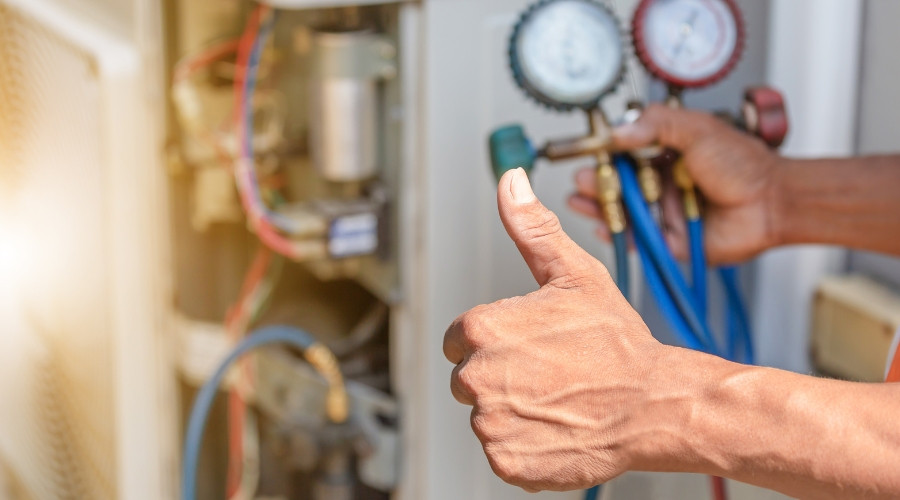
Always request a pressure test after any installation or repair involving refrigerant lines. This ensures that all brazed joints are properly sealed before the system is fully operational. When you talk to your technician, simply say: "Can you perform a pressure test on all the new or repaired connections before finishing?" You can also ask: "Will you be checking the brazed joints for leaks under pressure?" Being specific like this helps the technician understand exactly what you want and reassures you that the job is done right.
Leaks Turn Into Compressor Failure
Once refrigerant begins to leak, the system does not simply stop working. Instead, it continues operating under strain. The compressor, which relies on proper refrigerant levels, must work harder to maintain cooling. This added stress leads to overheating and eventual failure.
In another case, a homeowner delayed addressing a minor cooling issue. Over time, the refrigerant leak worsened, and the compressor began short-cycling. Within weeks, the compressor failed entirely, turning what could have been a minor repair into a major expense.
Tip from Chad's AC Direct
If your system requires frequent refrigerant refills, do not treat it as routine maintenance. It is often a sign of a leak caused by poor brazing or another underlying issue that needs immediate attention. If you notice this pattern, schedule a professional leak inspection as soon as possible. Addressing the root cause right away can prevent bigger problems and costly repairs down the line. Do not wait until the system fails—have a certified technician check all refrigerant lines and connections.
Poor Brazing Reduces Energy Efficiency
When refrigerant levels drop, your system compensates by running longer cycles. This increase in runtime directly impacts your energy consumption. You may not notice it immediately, but your utility bills will reflect the change.
A Montgomery homeowner reported a steady increase in their monthly energy bills, with no significant change in usage habits. The AC system appeared functional, but was running almost continuously. Inspection revealed a
minor leak at a brazed joint, forcing the system to work harder to maintain indoor comfort.
Tip from Chad's AC Direct
Pay attention to gradual increases in energy bills. Even small inefficiencies can indicate deeper issues within your system, including poor brazing.
Improper Brazing Allows Moisture Into the System
Another overlooked consequence of poor brazing is moisture contamination. When joints are not sealed correctly, they can allow air and moisture to enter the system. This is particularly problematic in Alabama’s humid climate. Moisture inside the system can lead to corrosion, acid formation, and damage to internal components.
A system in Montgomery developed internal corrosion due to prolonged exposure to moisture. The root cause was traced back to improperly sealed connections during installation. Over time, the damage spread, affecting multiple components and requiring extensive repairs.
Tip from Chad's AC Direct
How Weak Joints Lead to Long-Term System Damage
Poor brazing does not always cause immediate failure. In many cases, the damage develops gradually. Weak joints can expand and contract with temperature changes, eventually leading to cracks or complete separation.
A homeowner experienced intermittent cooling issues that resolved on their own. However, over time, the problem became more frequent. The cause was a weak brazed joint that expanded during operation and contracted when the system shut off, eventually failing completely.
Tip from Chad's AC Direct
During maintenance visits, ask for a thorough inspection of refrigerant lines and connections. Early detection of weak joints can prevent more serious problems.
Poor Brazing Leads to Repeated Repairs
One of the most frustrating outcomes is the cycle of repeated service calls. If the root cause—poor brazing—is not identified, homeowners may continue to address symptoms rather than the actual problem.
A homeowner scheduled multiple service visits over several months to address issues
such as low refrigerant levels and inconsistent cooling. Each time, the problem temporarily improved. Eventually, a detailed inspection revealed multiple poorly brazed joints from the original installation.
Tip from Chad's AC Direct
Choose HVAC professionals who provide detailed, itemized explanations of their work. Transparency ensures that the underlying issue is properly identified and resolved.
Final Thoughts
Understanding how brazing should be done correctly can help you make informed decisions. A properly brazed joint should be smooth, clean, and free of gaps or excess material. It should also be strong enough to withstand pressure and temperature fluctuations. It is often the smallest details that have the greatest impact. Poor brazing may seem insignificant, but it can trigger a chain of problems—leaks, inefficiency, component failure, and repeated repairs. The good news is that these issues are preventable with proper installation, regular maintenance, and attention to detail.
Is Your AC Brazing Failing? Call Chad's Before It's Too Late!
If you suspect your AC system is not performing as it should, do not wait for a minor issue to become a major repair. Contact Chad's AC Direct to schedule your service today.
When you book a service call, here’s what you can expect: A technician will start by listening to your concerns and asking about any problems you've noticed. Next, they will thoroughly inspect your AC system, check refrigerant pressures, examine all joints and connections for leaks, and look for any signs of wear. Throughout the process, you’ll receive clear communication about what is being checked and why. After the inspection, your technician will explain their findings, answer your questions, and lay out the recommended next steps. If repairs are needed, we will discuss your options upfront, including pricing and timelines, so you can make an informed decision. This way, you’ll always know what to expect and feel confident about your service.
Frequently Asked Questions
1. How do I know if I need a technician to check for poor AC brazing problems in Montgomery?
If your AC suddenly struggles without a clear reason, that’s usually your first clue. You might notice uneven cooling or longer run times that feel off. That’s when checking for poor AC brazing problems in Montgomery becomes important. A technician can pinpoint hidden leaks fast. It saves you from guessing and wasting money on temporary fixes.
2. Can I request a specific inspection for poor AC brazing problems in Montgomery?
Yes, and honestly, you should be direct about it. When you call, just ask for a refrigerant line inspection focused on poor AC brazing problems in Montgomery. That tells the technician exactly what to look for. It avoids surface-level checks that miss deeper issues. You get a more accurate diagnosis right away.
3. What kind of AC service helps prevent poor AC brazing problems in Montgomery?
A detailed installation or repair service makes all the difference here. You want technicians who take time with connections, not rush through them. Preventing poor AC brazing problems in Montgomery starts during the initial work. Regular maintenance also helps catch weak joints early. It’s all about being proactive instead of reactive.
4. How quickly can poor AC brazing problems in Montgomery be fixed once found?
Most issues can be handled in a single visit if caught early. The technician will repair or redo the faulty joint and test the system. Fixing poor AC brazing problems in Montgomery does not always mean major downtime. The key is acting before damage spreads. Waiting too long usually adds extra repair steps.
5. How long does a full inspection for poor AC brazing problems in Montgomery usually take?
It typically takes about an hour, depending on system size and accessibility. The technician needs time to check pressure, inspect joints, and test performance. Poor AC brazing problems in Montgomery require careful attention, not rushed work. A thorough check ensures nothing gets overlooked. It’s time well spent for long-term reliability.
6. What should I expect during a service call for poor AC brazing problems in Montgomery?
The technician will first inspect refrigerant lines, connections, and system pressure. They may use tools to detect even the smallest leaks. When dealing with poor AC brazing problems in Montgomery, precision matters a lot. You should also get a clear explanation of what they find. No guessing, just straightforward answers.
7. Can poor AC brazing problems affect a newly installed system?
Surprisingly, yes, and that catches many homeowners off guard. Even new systems can have issues if installation was rushed. Poor AC brazing problems in Montgomery are often tied to workmanship, not system age. That’s why choosing the right service provider matters. Quality installation prevents early headaches.
8. Do I need to replace parts or just repair connections for poor AC brazing problems in Montgomery?
Most of the time, it starts with repairing the connection itself. If the issue is caught early, you may not need major replacements. Poor AC brazing problems in Montgomery usually affect joints before damaging larger components. However, delays can lead to bigger repairs. That’s why timing really matters here.
9. Will fixing poor AC brazing problems improve my energy bills?
In most cases, yes, and sometimes faster than expected. Once leaks are sealed, your system runs more efficiently right away. Poor AC brazing problems in Montgomery often force your unit to overwork. Fixing that reduces strain and energy use. You’ll likely notice the difference within the next billing cycle.
10. When is the best time to schedule a check for poor AC brazing problems in Montgomery?
The best time is before peak summer hits full force. Spring or early warm months give you a head start. Checking for poor AC brazing problems in Montgomery early prevents mid-season breakdowns. It also gives technicians more flexibility in scheduling. You avoid the rush and the stress that comes with it.